What is a Valve Stem Seal?
A valve stem seal is a small but crucial component in an engine that ensures proper sealing between the valve stem and the valve guide. This seal prevents oil from leaking into the combustion chamber while allowing the engine’s valves to move freely. The valve stem seal is typically made from rubber or other durable materials and is used in internal combustion engines to maintain engine performance and efficiency.
Valve stem seals are critical for ensuring that oil consumption is kept to a minimum, preventing excessive exhaust smoke, and improving the overall longevity of engine components. Without a proper valve stem seal, oil can leak into the combustion chamber, causing engine misfires, reduced fuel efficiency, and increased emissions.
Functions of a Valve Stem Seal
The primary role of a valve stem seal is to ensure that the right amount of oil is supplied to the valve stem while preventing excessive oil from entering the combustion chamber. Here's a breakdown of the key functions:
Prevents Oil Leakage: The valve stem seal creates a barrier that prevents oil from leaking into the combustion chamber, where it can burn and produce smoke. This helps maintain engine efficiency and prevents oil consumption issues.
Reduces Engine Emissions: By controlling the oil flow, valve stem seals help prevent excessive smoke in the exhaust, reducing the vehicle's emissions and environmental impact.
Improves Engine Performance: A properly functioning valve stem seal ensures that the oil supply to the valve stem is controlled, which can improve the overall performance of the engine and prevent misfires.
Minimizes Wear on Engine Components: The seal reduces friction between the valve stem and valve guide, which helps extend the lifespan of engine parts, particularly in high-performance engines.
Signs of a Faulty Valve Stem Seal
Over time, valve stem seals can wear out or become damaged, leading to various engine issues. Some of the common signs that your valve stem seal may be failing include:
Excessive Exhaust Smoke: If the seal is worn or damaged, oil can leak into the combustion chamber and burn off, leading to blue or gray smoke from the exhaust.
Increased Oil Consumption: A damaged valve stem seal can cause oil to leak into the combustion chamber, leading to higher oil consumption and requiring frequent oil changes.
Engine Misfires or Rough Idling: If oil enters the combustion chamber, it can cause the engine to misfire, resulting in rough idling or poor performance.
Oil Leaks Around the Valve Area: If you notice oil accumulating around the valve area or valve cover, it could be an indication of a faulty valve stem seal.
How Valve Stem Seals Work
Valve stem seals work by controlling the oil that lubricates the valve stem. These seals are typically installed at the top of the valve guide. When the engine runs, the valve stem moves up and down within the valve guide, and the seal ensures that a small amount of oil is applied to the stem for lubrication. This allows the valve to move smoothly without excessive friction, while also preventing larger amounts of oil from entering the combustion chamber.
There are several types of valve stem seals used in different engines:
Umbrella-Type Seal: This is one of the most common types, which covers the top of the valve stem like an umbrella. It is designed to keep oil from entering the combustion chamber while allowing the valve stem to move freely.
O-Ring-Type Seal: This type of seal is placed around the valve guide and relies on the pressure to maintain a tight seal. It is typically used in engines with a higher oil pressure.
Lip Seal: This type of valve stem seal uses a rubber lip that creates a tighter seal around the valve stem. It is commonly found in engines that require precise control over oil flow.
Why Are Valve Stem Seals Important?
Valve stem seals are essential for maintaining the overall performance and efficiency of an engine. Here are a few reasons why they are critical:
Prevent Oil Burning: Oil that enters the combustion chamber burns during combustion, creating smoke and potentially damaging the engine. Valve stem seals help prevent this by keeping oil away from the combustion area.
Maintain Optimal Compression: If oil leaks into the combustion chamber, it can interfere with the engine’s compression, leading to a loss of power and efficiency.
Environmental Impact: Excessive smoke from a faulty valve stem seal can contribute to higher emissions, which may not meet environmental standards.
Engine Longevity: By preventing oil leakage and reducing wear on engine components, valve stem seals help extend the lifespan of your engine.
How to Replace a Valve Stem Seal
Replacing a valve stem seal is a task that requires careful attention to detail. Here’s an overview of the general process:
Remove the Cylinder Head: In most cases, replacing the valve stem seal requires removing the cylinder head to access the valves. This can be a complex process depending on your engine type.
Remove the Valves: Once the cylinder head is removed, the valves must be taken out. This usually requires the removal of springs, retainers, and other components.
Replace the Seals: Once the valves are removed, the old valve stem seals can be taken off. New seals are then carefully installed on each valve stem.
Reassemble the Engine: After replacing the seals, the valves are reinstalled, and the engine components are reassembled.
Test the Engine: Finally, the engine should be tested to ensure that there are no leaks and that it is performing optimally.
Choosing the Right Valve Stem Seal
When selecting a valve stem seal, it is crucial to choose one that is compatible with your engine’s specifications. Factors to consider include:
Material: Valve stem seals are made from different materials such as rubber, silicone, or polymer compounds. It is essential to select a material that matches the engine’s requirements and operating conditions.
Seal Type: As discussed earlier, there are several types of valve stem seals (umbrella, O-ring, lip seals), and the correct type should be chosen based on the engine design.
Compatibility: Ensure that the seal is designed to fit your engine’s valve guide and valve stem dimensions for optimal performance.
Frequently Asked Questions (FAQs)
Q: Can I replace the valve stem seals without removing the engine?
A: In some cases, valve stem seals can be replaced without removing the engine, especially in smaller engines. However, most vehicles require the cylinder head to be removed for access to the valves and seals.
Q: How long do valve stem seals last?
A: Valve stem seals typically last between 50,000 and 100,000 miles, depending on the engine’s condition and how well it is maintained. Signs of wear, such as excessive exhaust smoke or oil consumption, may indicate it’s time for replacement.
Q: Are valve stem seals universal?
A: No, valve stem seals are not universal. Each engine has its own specifications, so it's crucial to choose the right seal for your specific make and model.
Conclusion
The valve stem seal is a small but essential component that plays a significant role in the performance, efficiency, and longevity of your engine. Regular maintenance and timely replacement of faulty valve stem seals can prevent major engine issues and extend the life of your vehicle. If you notice signs such as excessive smoke or increased oil consumption, it’s important to check and replace the valve stem seals to keep your engine running smoothly.
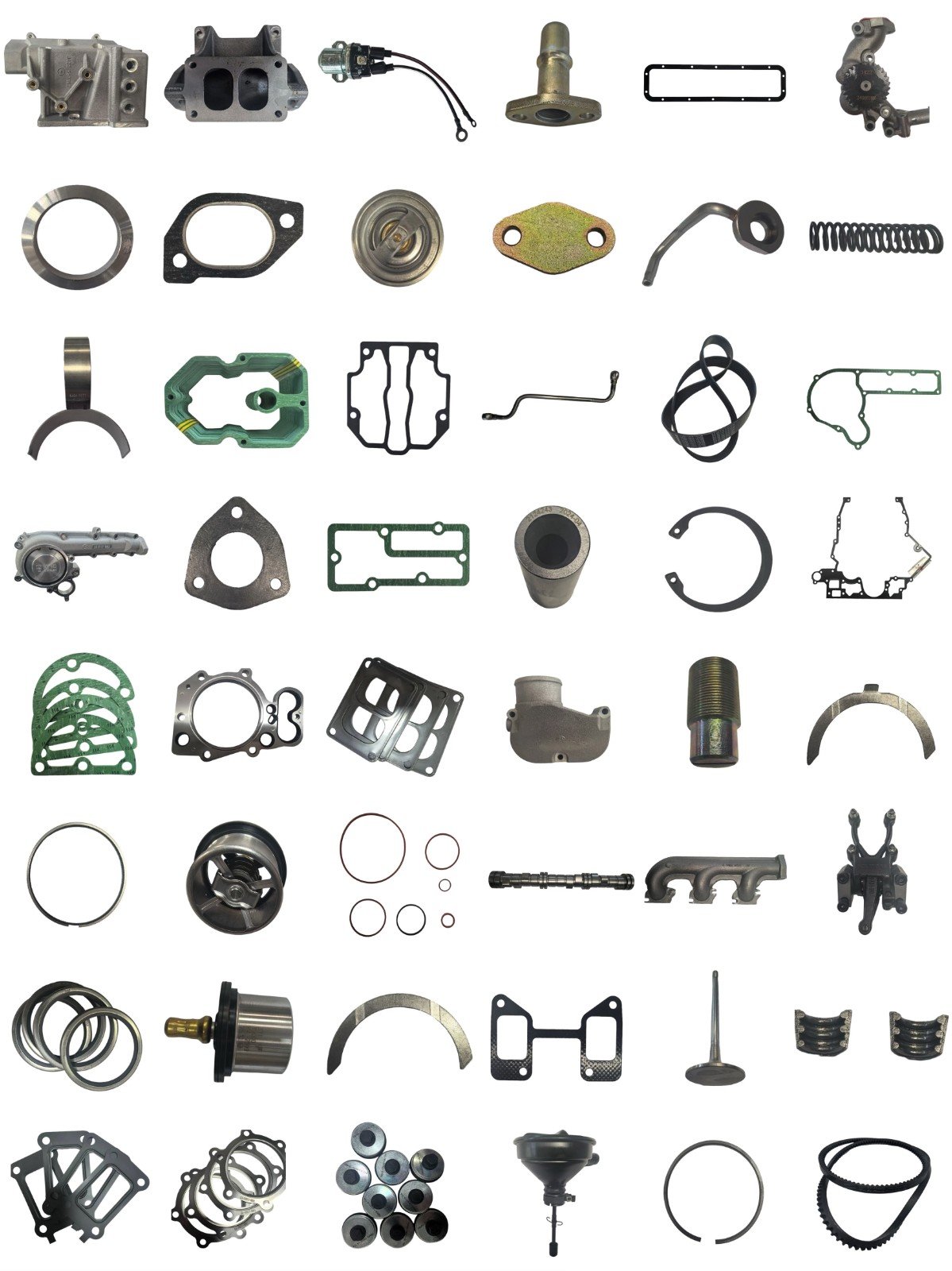
At EN-ENERGY, we offer high-quality valve stem seals designed to fit a wide range of engine models. Our products are manufactured to meet or exceed OEM standards, ensuring long-lasting performance and reliability.
For more information or to find the perfect valve stem seal for your engine, please feel free to contact us.


