Turbocharger Inlet Pipe Flange — Precision Turbo Inlet Flange for Engine & Generator Systems
High-Quality Turbocharger Inlet Pipe Flanges for Reliable Turbo Connections
A turbocharger inlet pipe flange is a critical connection component that ensures a secure, leak-free attachment between the turbocharger inlet pipe and the engine intake system. It provides a flat and accurate mounting surface that mates with the turbocharger housing and intake piping to maintain proper airflow into the turbocharger.
In turbocharged engines — including industrial, heavy-duty, and generator applications — the inlet flange plays a vital role in preserving intake air pressure and ensuring efficient turbo performance.
What Is a Turbocharger Inlet Pipe Flange?
A flange is a protruding rim, lip, or edge used to connect pipes or components together securely, often using bolts and gaskets for sealing.
In turbo systems, the inlet pipe flange connects the turbocharger’s air intake pipe to the compressor housing or intake manifold.
This flange must be precisely machined and flat to ensure a proper seal with a gasket and prevent air leaks under boost pressure — any leakage can reduce engine performance and efficiency.
Key Features & Benefits
✔ Optimized Airflow & Leak-Free Seal
The flange’s flat mounting face and precise bolt pattern guarantee a reliable connection that preserves airflow integrity into the turbo.
✔ Precision-Machined for Performance
Built from durable metals such as stainless steel or alloy, turbo inlet flanges resist high temperature and pressure conditions typical in turbocharged engines.
✔ Multiple Standard Designs Available
Flange designs such as T3, T4, T5, and T6 are commonly used in turbo systems for various engine sizes and configurations, ensuring compatibility with standard turbocharger housings.
✔ Easy Installation & Replacement
With standard bolt holes and flat sealing surfaces, these flanges simplify turbo assembly, disassembly, or replacement during maintenance and turbo upgrades.
Typical Applications
Our turbocharger inlet pipe flanges are widely used in:
Industrial and power generator engines
Heavy-duty diesel engine turbos
Automotive turbo systems
Construction and agricultural machinery
Custom fabrication and performance turbo builds
They are essential components that help ensure consistent turbocharger performance and long-term reliability.
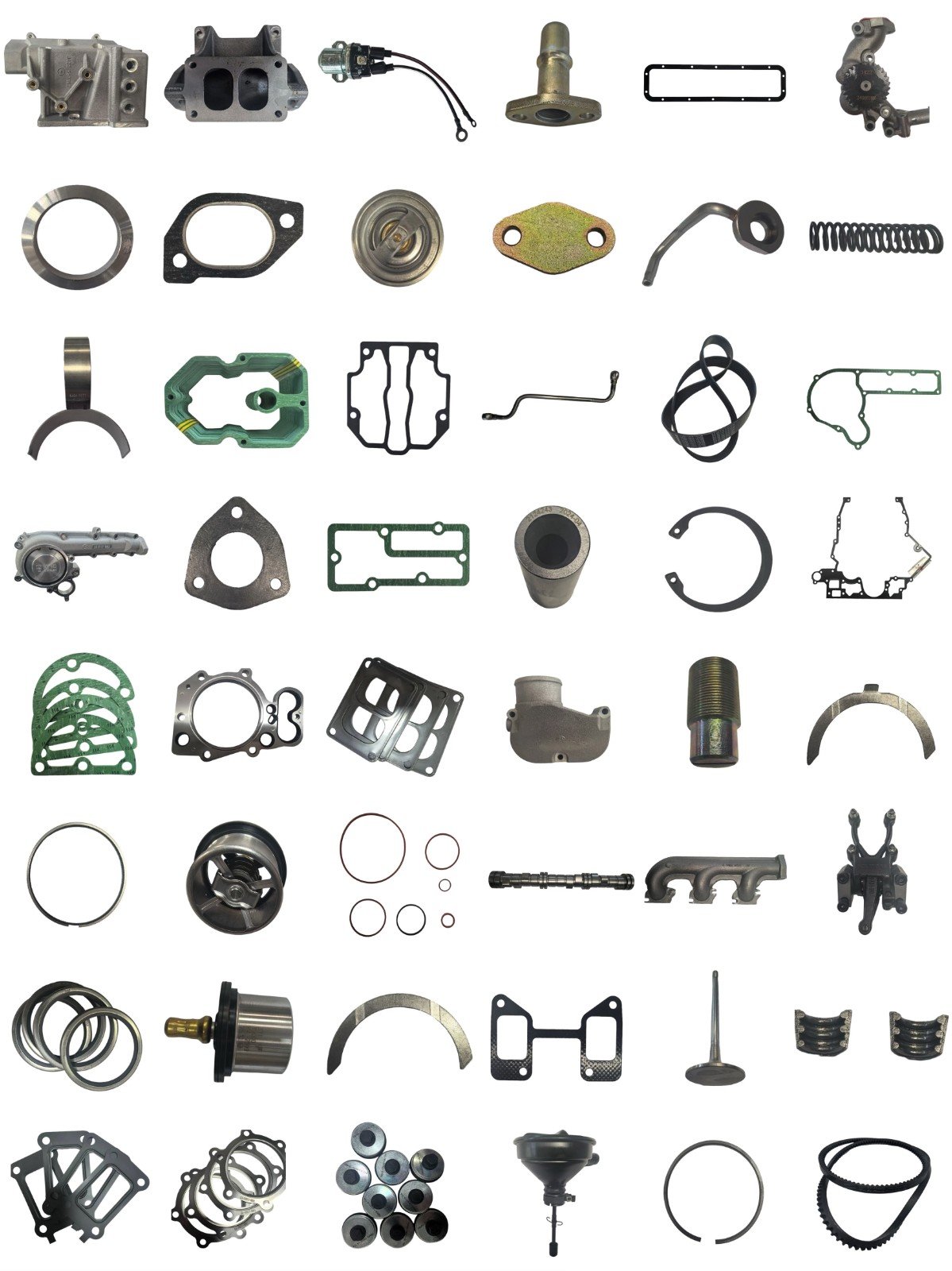
More sapre parts
How Turbocharger Inlet Flanges Work
Turbocharger inlet flanges provide a flat sealing surface that mates with both the turbocharger compressor inlet and the intake piping. A gasket is typically placed between the flange and turbo housing to eliminate air leaks.
A proper flange connection is crucial because any air leakage at the inlet side can reduce boost pressure and throttle response, directly affecting engine performance.
Material & Quality Considerations
When selecting a turbocharger inlet flange, pay attention to:
✔ Material Strength: Stainless steel or alloy for better temperature and corrosion resistance.
✔ Flatness & Precision: Machined surfaces ensure airtight sealing and durability.
✔ Bolt Hole Pattern: Matches turbo housing specifications (e.g., 4-bolt, V-band, or custom patterns).
Quality inlet flanges help prevent air leaks, boost loss, and premature seal failures, improving system efficiency.
Installation & Maintenance Tips
To ensure a reliable turbo inlet connection:
✔ Use a high-quality gasket on both flange faces.
✔ Ensure the flange surface and bolts are clean and free of debris.
✔ Torque bolts in a criss-cross pattern for even sealing pressure.
✔ Check regularly during maintenance checks for signs of air leaks or gasket wear.
Proper installation helps maintain boost performance and reduces the risk of turbocharger damage.
FAQ — Turbocharger Inlet Pipe Flanges
Q: What is the difference between inlet and outlet flanges?
A: The inlet flange seals the connection where air enters the turbo, while the outlet flange seals where air exits toward the intercooler or intake manifold.
Q: Can I replace just the flange?
A: Yes, as long as the replacement flange matches the pipe diameter and bolt pattern of the turbocharger and mating components.
Q: What materials are turbo inlet flanges made of?
A: Common materials include stainless steel and high-strength alloys to resist heat and pressure demands.


