Valve Collet: A Crucial Component for Engine Valve Retention
What is a Valve Collet?
A valve collet, also known as a valve keeper or valve split collet, is a small yet vital component used in internal combustion engines to hold the valve spring in place. Positioned on the valve stem, the collet works in conjunction with the valve spring to ensure that the valve operates smoothly by preventing unwanted movement during engine operation.
Valve collets are typically made from high-strength materials, such as steel or stainless steel, to withstand the high pressures and heat within the engine. While these components are small, their role in maintaining the integrity of the engine’s valve system is critical.
Key Functions of a Valve Collet
Valve Retention:
The primary function of a valve collet is to secure the valve spring on the valve stem. This allows the spring to function effectively, pushing the valve closed after it is opened by the camshaft. Without the collet, the valve spring could dislodge or fail to function properly, which could lead to engine misfires and performance issues.
Prevent Valve Spring Movement:
The valve collet ensures that the valve spring remains properly seated on the valve stem and doesn’t shift during the operation of the engine. This constant tension is crucial for the engine to perform as designed.
Stabilizing Valve Operation:
By keeping the valve spring in place, the valve collet helps to stabilize the movement of the valve. A stable valve ensures that the combustion cycle is maintained consistently, promoting optimal engine performance and fuel efficiency.
Enabling Precision in Valve Timing:
Valve collets help maintain precise valve timing by ensuring that the valves open and close exactly as intended. This is essential for achieving the correct air/fuel mixture and proper exhaust expulsion.
Materials Used in Valve Collets
Valve collets are crafted from high-strength, durable materials to withstand the extreme pressure and heat conditions found within an engine. Common materials include:
High-Carbon Steel:
High-carbon steel is often used for manufacturing valve collets due to its excellent strength, hardness, and wear resistance. This material is ideal for handling the constant pressure exerted by the valve spring.
Stainless Steel:
Stainless steel valve collets are commonly used in applications where corrosion resistance is a priority. These collets maintain their strength and durability even in high-temperature environments and offer superior resistance to rust.
Chrome-Moly Steel:
For performance and heavy-duty engines, chrome-moly steel (chromium-molybdenum alloy) is sometimes used. This material combines toughness and heat resistance, making it suitable for high-performance applications where durability and precision are crucial.
Titanium:
In some high-performance racing engines, titanium valve collets are used due to their lightweight and strength properties. While titanium is more expensive, it offers significant weight savings and excellent strength, making it ideal for applications where reducing weight is a priority.
How Does the Valve Collet Work?
The valve collet plays an essential role in securing the valve spring to the valve stem and ensuring that the valve opens and closes at the correct times. Here's how it works in the context of an engine:
Securing the Valve Spring:
The valve spring is located on the valve stem, and the valve collet fits into grooves on the valve stem and inside the valve spring. Once in place, the collet helps to lock the valve spring tightly against the valve, ensuring that it doesn’t slip off or move out of place during engine operation.
Allowing Controlled Valve Movement:
The valve spring, held in place by the collet, ensures that the valve closes after being opened by the camshaft. This controlled valve movement is essential for the engine’s performance and for maintaining compression within the combustion chamber.
Maintaining Valve Timing:
The valve collet keeps the spring under constant tension, which is necessary for maintaining proper valve timing. If the valve spring were to shift or lose tension, it could disrupt the timing, resulting in poor engine performance or engine damage.
Improving Engine Reliability:
By securely holding the valve spring in place, the valve collet contributes to the overall reliability of the engine. It ensures that the valves function consistently and that the combustion process is smooth.
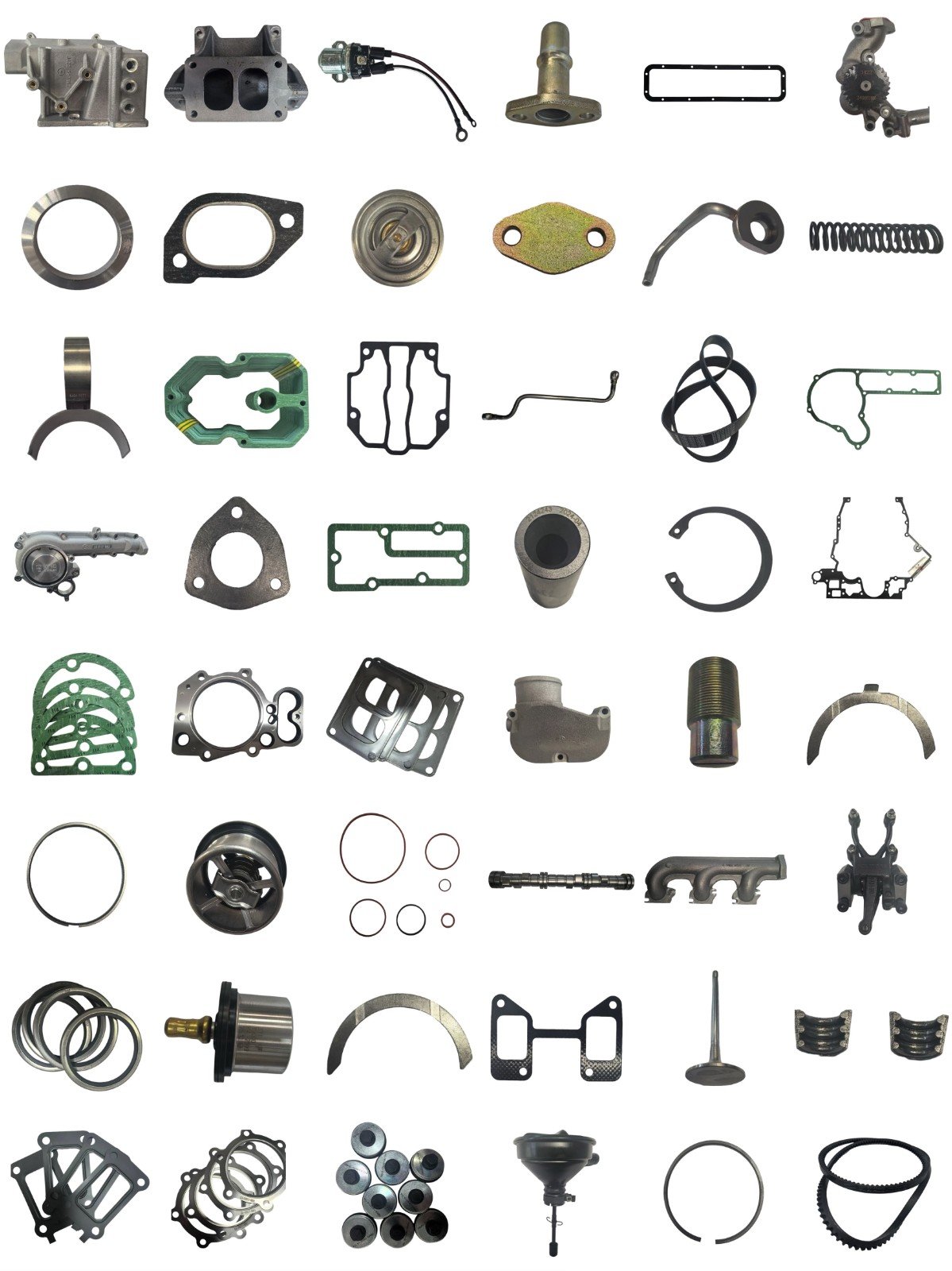
Benefits of a Well-Functioning Valve Collet
Improved Engine Performance:
A properly functioning valve collet ensures precise valve operation. This helps maintain the correct intake and exhaust timing, improving engine efficiency, power output, and fuel economy.
Reduced Wear and Tear:
By preventing valve spring movement, the valve collet reduces wear on the valve and spring components, contributing to the longevity of the engine’s valve system.
Prevention of Valve Failure:
Without a valve collet, there is a risk that the valve spring could become misaligned or dislodged, potentially leading to valve failure or severe engine damage. The collet helps prevent this by keeping the spring secure and in proper position.
Enhanced Engine Durability:
A well-maintained valve collet enhances the overall durability of the engine. By ensuring smooth and consistent valve operation, the collet reduces the strain on other valve train components, helping extend the life of the engine.
Common Symptoms of a Faulty Valve Collet
A faulty valve collet can cause several issues within the engine. Some common symptoms of a damaged or worn valve collet include:
Engine Misfires: A faulty valve collet can cause improper valve operation, which may lead to misfires or rough running.
Valve Noise: If the valve collet is worn or loose, you might hear tapping or clicking noises from the engine as the valve springs shift out of place.
Poor Engine Performance: A damaged valve collet can lead to inconsistent valve timing, which can result in reduced power, poor acceleration, and overall poor engine performance.
Excessive Exhaust Emissions: If the valves are not sealing correctly due to a faulty valve collet, exhaust gases may leak, resulting in higher emissions.
How to Replace the Valve Collet
Replacing a valve collet is a precise and careful task that typically requires the disassembly of the engine’s valve train. Here is an overview of the steps involved:
Remove the Cylinder Head:
The first step in replacing the valve collet is removing the cylinder head from the engine block. This may require removing various other components, such as the intake manifold and camshaft.
Remove the Valve Spring:
Using a valve spring compressor, remove the valve spring. This will expose the valve collet that holds the spring in place.
Remove the Old Collet:
The old valve collet is removed carefully, taking note of its orientation and positioning. The valve stem and spring seat should be inspected for any signs of wear or damage.
Install the New Valve Collet:
Install the new valve collet onto the valve stem. Make sure it is seated correctly in the grooves and securely holds the valve spring in place.
Reassemble the Engine:
Once the new valve collet is in place, the valve spring is reinstalled, followed by reassembly of the cylinder head. Ensure that all components are properly torqued to the manufacturer’s specifications.
Test the Engine:
After reassembling the engine, start the vehicle and listen for any unusual noises or performance issues. If everything runs smoothly, the valve collet replacement is complete.
Frequently Asked Questions (FAQs)
Q: What does a valve collet do?
A: A valve collet secures the valve spring to the valve stem and ensures that the spring functions correctly by preventing unwanted movement. It helps maintain proper valve timing and engine performance.
Q: How do I know if my valve collet is faulty?
A: Common signs of a faulty valve collet include engine misfires, tapping or clicking noises, poor engine performance, and excessive exhaust emissions.
Q: Can I replace the valve collet myself?
A: Replacing a valve collet requires disassembling parts of the engine’s valve train. It’s a technical task that requires mechanical expertise, so it is recommended to have a professional mechanic perform the replacement.
Q: How long does a valve collet last?
A: A valve collet can last for the lifetime of the engine with proper maintenance. However, high-performance engines or those that are frequently exposed to harsh conditions may require more frequent inspections.
Q: Why is the valve collet important for engine operation?
A: The valve collet ensures that the valve spring stays properly seated and under constant tension. This helps maintain precise valve operation, which is essential for the engine’s performance and efficiency.


