The Camshaft: The Brain of the Engine's Valvetrain
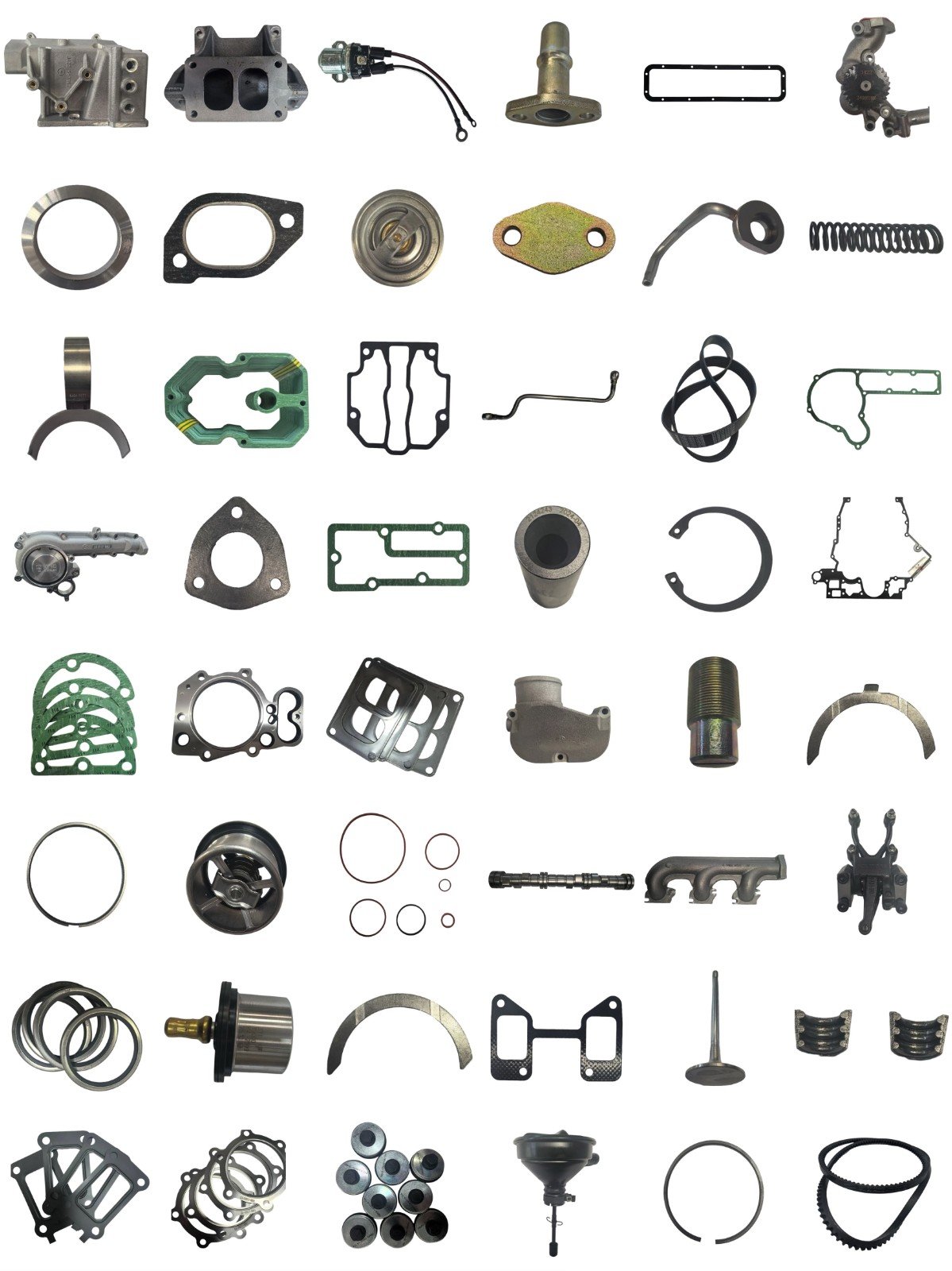
The Camshaft is arguably the "brain" of the engine's valvetrain system. It is a fundamental component that converts the engine's rotational energy into precise, linear motion via its cam lobes, controlling the timing and duration of the intake and exhaust valves. This precision is what dictates the engine's performance characteristics, fuel efficiency, and emissions.
Key Features and Manufacturing Quality
| Feature | Design/Material Specification | Performance Advantage |
| Accurate Valve Timing | Cam lobes precision-designed for specific lift and duration. | Optimizes air/fuel flow and exhaust scavenging for stable engine combustion and power delivery. |
| High Strength & Durability | Forged or cast alloy steel/iron, with heat treatment & surface hardening (e.g., polishing, quenching). | Ensures wear resistance and longevity under high RPM, heavy loads, and intense friction, particularly at the contact points of the lobes and journals. |
| Versatility | Compatible with OHV, SOHC, DOHC, and push-rod engines. | Wide application across a vast array of gasoline and diesel engines for diverse market needs. |
| Performance Range | Offers both OEM replacement (for stock reliability) and Performance Upgrade Options (custom profiles). | Allows builders to select profiles that maximize power/torque for tuning or prioritize fuel economy for everyday use. |
Performance Tuning: Lift and Duration
When supplying camshafts, especially for performance applications, two key lobe specifications determine the engine's power band:
| Specification | Definition | Performance Impact |
| Valve Lift | How far the valve opens off its seat (measured in inches or millimeters). | More Lift---More Airflow. Increasing lift allows more air/fuel or exhaust to move through the engine, increasing peak horsepower numbers. |
| Duration | How long the valve stays open, measured in degrees of crankshaft rotation (often specified at 0.050 lift). | Less Duration --- More Torque. Shorter duration favors better low-end torque, a smoother idle, and better street drivability. |
More Duration --- More Horsepower at High RPM. Longer duration favors maximum high-RPM horsepower but can reduce low-RPM cylinder pressure and rough up the idle . |
Camshaft Failure: Symptoms Driving Replacement
Camshaft wear is a major cause of engine failure and necessitates full replacement. The failure is typically a result of insufficient lubrication, contaminated oil, or improper break-in procedures
| Symptom Category | Specific Signs | Underlying Cause |
| Engine Noise | Loud Rhythmic Ticking or Tapping (often from the valve cover area), Tapping that gets louder with engine speed . | Worn Cam Lobes or Lifters: Wear creates gaps in the valvetrain that cause tapping as components make contact . |
| Performance Loss | Rough Idling, Misfires, Hesitation during Acceleration, Loss of Power (especially going uphill) . | Reduced Lift & Duration: Worn lobes don't open the valves fully or long enough, disrupting precise valve timing and causing incomplete combustion . |
| Contamination | Metal Shavings/Debris in Engine Oil (visible on the dipstick or drain plug) . | Metal-on-Metal Contact: Cam lobes or journals are grinding, distributing metal fragments throughout the engine's oil system, risking widespread damage. |
| Electrical/Emissions | Illuminated Check Engine Light (CEL), often with P0340 or P0341 codes (Camshaft Position Sensor), Excessive Exhaust Smoke . | Valve Timing Irregularities: The worn cam causes the cam/crankshaft position sensors to fall out of sync, triggering a fault code. |


