Intake and Exhaust Valves: The Heart of Your Engine’s Efficiency
What Are Intake and Exhaust Valves?
In an internal combustion engine, intake valves and exhaust valves are critical components that control the flow of air (or air-fuel mixture) into the engine and the expulsion of exhaust gases after combustion. Together, these valves help ensure that your engine runs efficiently, maintaining both power and fuel economy.
Intake Valves: These valves control the intake of the air-fuel mixture into the combustion chamber. When the intake valve opens, it allows a mixture of air and fuel to enter the engine’s cylinders. Once the valve closes, the cylinder compresses the mixture for combustion.
Exhaust Valves: These valves allow the expulsion of the exhaust gases after combustion. When the exhaust valve opens, the spent gases are pushed out of the cylinder, making way for the next air-fuel mixture to enter.
Both valves are subjected to extreme heat, pressure, and friction, making their design and maintenance essential for engine performance.
Key Functions of Intake and Exhaust Valves
Regulate Air and Fuel Flow: The intake valve ensures the proper amount of air and fuel enters the cylinder for combustion, while the exhaust valve ensures efficient expulsion of exhaust gases.
Maintain Engine Efficiency: Proper valve operation ensures that the air-fuel mixture burns optimally, contributing to better fuel efficiency, reduced emissions, and smoother engine performance.
Control Cylinder Pressure: By opening and closing at the right time, intake and exhaust valves help maintain the ideal pressure within the engine cylinders, ensuring optimal power output and preventing damage.
Prevent Cross-Contamination: Intake and exhaust valves keep the intake gases and exhaust gases separated, which is vital for maintaining clean combustion and maximizing engine performance.
Signs of Faulty Intake and Exhaust Valves
If either the intake or exhaust valve becomes damaged or fails, it can lead to a variety of engine problems. Here are some common symptoms of faulty valves:
Poor Engine Performance: Reduced power, misfires, or a rough idle can occur when the valves are not sealing properly, leading to improper combustion.
Increased Oil Consumption: Faulty valves can allow oil to seep into the combustion chamber, causing it to burn off, resulting in increased oil consumption.
Excessive Exhaust Smoke: If the exhaust valve doesn’t properly seal, it can lead to incomplete combustion, causing blue or black smoke to come out of the exhaust.
Engine Misfire or Backfire: Improperly functioning valves may cause combustion problems, leading to misfires or backfires in the engine.
Engine Noise: Worn or damaged valves may cause unusual engine noises, such as tapping or knocking, as they fail to operate smoothly.
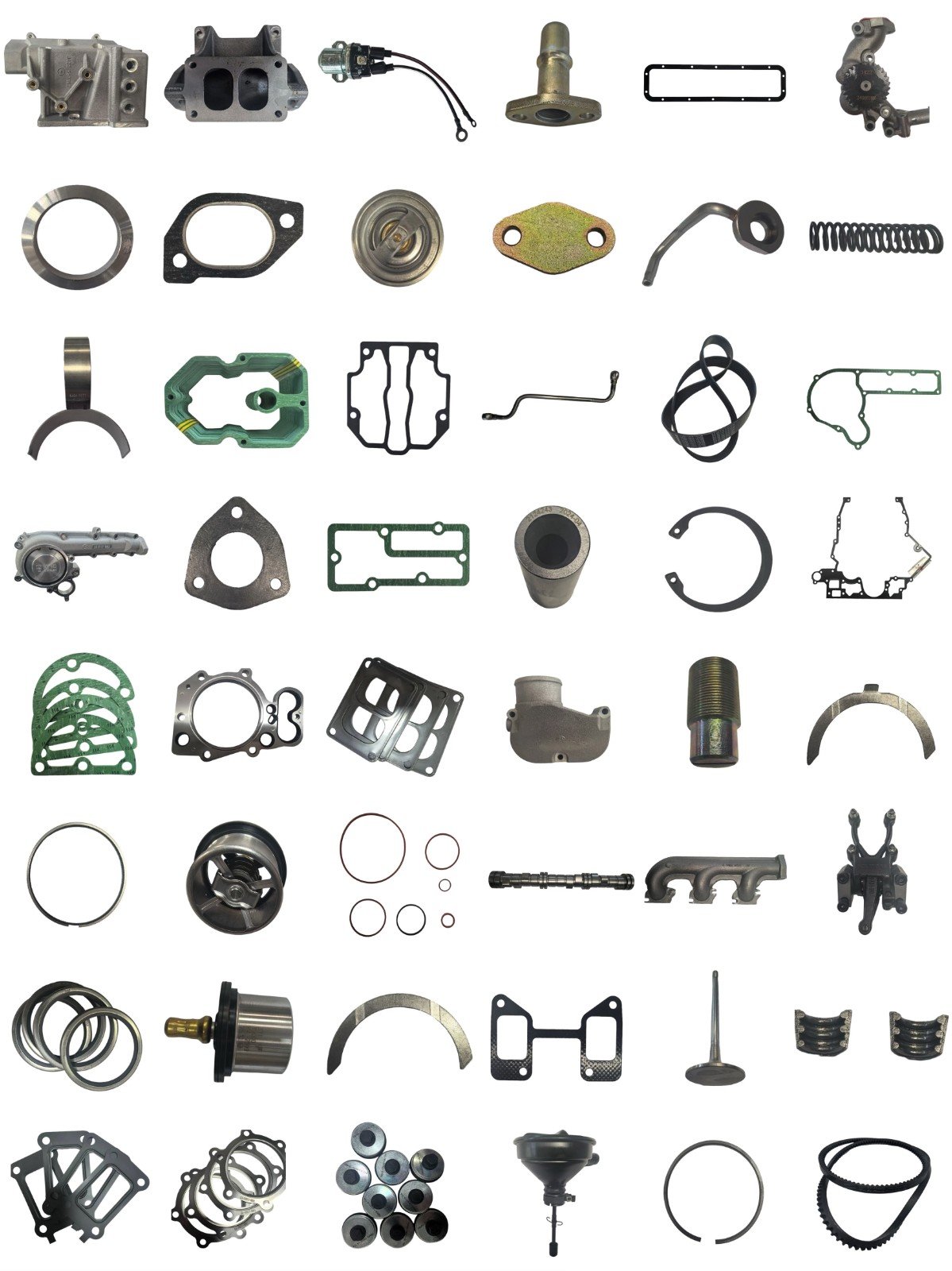
How Intake and Exhaust Valves Work
Both intake and exhaust valves are controlled by the engine’s camshaft, which is responsible for opening and closing the valves at precise intervals. This precise timing is crucial to ensure that the air-fuel mixture enters the combustion chamber at the right time and that exhaust gases are expelled without interfering with the intake process.
Intake Valve Operation: The intake valve opens during the intake stroke of the engine. As the piston moves down, the intake valve opens, allowing the air-fuel mixture to enter the cylinder. After the piston reaches the bottom of its stroke, the intake valve closes to allow for compression.
Exhaust Valve Operation: During the exhaust stroke, the exhaust valve opens as the piston moves up. This expels the burnt gases from the cylinder, and once the piston reaches the top of the stroke, the exhaust valve closes, and the cycle begins again.
Materials Used in Intake and Exhaust Valves
Given the extreme conditions inside an engine, intake and exhaust valves must be made of materials that can withstand high temperatures, pressure, and corrosion. Common materials used in valve production include:
Stainless Steel: Often used for intake valves due to its resistance to corrosion and ability to maintain strength at high temperatures.
Alloy Steel: Used for exhaust valves because it can endure higher temperatures and stresses. Exhaust valves are exposed to more heat and corrosive exhaust gases than intake valves, so stronger materials are necessary.
Titanium: Titanium is sometimes used in performance engines due to its lightweight nature and high strength-to-weight ratio. It is particularly useful for high-performance and racing engines where reducing weight is crucial.
Nitrided Steel: Some valves are treated with a nitriding process, which increases surface hardness and improves wear resistance, making them ideal for high-performance engines.
Importance of Valve Maintenance and Replacement
The performance of the intake and exhaust valves is vital for the overall health of the engine. Over time, these valves may wear out or become damaged, especially in high-mileage or performance vehicles. Regular valve maintenance is essential to keep the engine running smoothly.
Inspection: Regular inspection of valves during routine maintenance can help identify signs of wear, such as cracks, pitting, or damage to the sealing surfaces.
Resurfacing: In some cases, valves can be resurfaced to restore proper sealing. However, excessive wear or damage may require replacement.
Replacement: When valves become excessively worn or damaged, replacing them is the best solution. It’s also common to replace the valve seals or guides at the same time to ensure proper function.
How to Replace Intake and Exhaust Valves
Replacing intake and exhaust valves is a labor-intensive process and requires specialized knowledge and tools. Here’s a general overview of the steps involved:
Remove the Cylinder Head: The cylinder head must be removed from the engine to access the valves.
Disassemble the Valve Train: The camshaft, rocker arms, and other components must be disassembled to reach the valves.
Remove and Replace the Valves: The old valves are removed, and new valves are installed. This often involves grinding the valve seats to ensure a proper seal.
Reassemble the Engine: After replacing the valves, the engine is reassembled, and the cylinder head is reinstalled.
Test the Engine: Once the engine is reassembled, it should be tested to ensure the new valves are working correctly and that there are no leaks.
Frequently Asked Questions (FAQs)
Q: How can I tell if my intake or exhaust valves are faulty?
A: Signs of faulty valves include poor engine performance, excessive smoke from the exhaust, misfires, and engine noise. If you experience any of these symptoms, it’s best to have the valves inspected by a mechanic.
Q: Can I replace just one valve, or do I need to replace both intake and exhaust valves?
A: In most cases, it’s recommended to replace both the intake and exhaust valves if one is faulty, as they often wear out at the same rate. Replacing only one valve may cause imbalanced performance.
Q: What should I do if my exhaust valve is leaking?
A: If your exhaust valve is leaking, it may need to be replaced or resurfaced. A leaking exhaust valve can cause a loss of compression, reduced engine power, and increased exhaust emissions.
Q: Can I drive with faulty intake or exhaust valves?
A: It’s not recommended to drive with faulty valves, as they can cause serious engine damage. Driving with faulty valves may lead to poor engine performance, reduced fuel efficiency, and eventually engine failure.
Conclusion
Intake and exhaust valves are fundamental to your engine’s operation, and their proper function is essential for optimal engine performance, fuel efficiency, and emission control. Regular inspection, maintenance, and replacement of worn-out valves can significantly extend the life of your engine and ensure it runs smoothly.
At EN-ENERGY, we offer a wide selection of high-quality intake and exhaust valves designed to meet or exceed OEM specifications. Whether you’re working on routine maintenance or rebuilding your engine, we have the parts you need to keep your vehicle in top shape.
For more information on intake and exhaust valves, or to order your replacement parts today, please feel free to contact us!


