Main Shaft Tile: Key Component for Your Transmission System
What is a Main Shaft Tile?
The main shaft tile is an important part of the transmission system in an internal combustion engine, primarily found in manual transmissions. It is a component that is responsible for transmitting power from the engine to the wheels, enabling vehicle movement. The main shaft connects with the gears and synchronizers, playing a crucial role in ensuring smooth gear shifts and proper torque distribution.
In some cases, the term "main shaft tile" may refer to a specific part of the shaft assembly that involves a section of the shaft used in specific gearbox configurations. It is usually made from high-strength steel or other durable materials that can withstand the forces generated by the engine.
Key Functions of the Main Shaft Tile
Power Transmission: The main shaft tile plays a central role in transmitting power from the engine to the wheels via the gearbox. It connects various components, including gears, synchros, and bearings, to help transfer torque effectively.
Ensures Smooth Gear Shifts: The main shaft tile helps maintain the engagement between gears and synchronizers, which ensures smooth and precise gear shifts. It allows the transmission system to shift gears without jerking, making driving more comfortable and efficient.
Durability Under Load: Designed to handle the high stress of power transfer, the main shaft tile is built with materials that can resist wear, high heat, and mechanical forces. This ensures longevity and optimal performance of the transmission system.
Torque Distribution: The main shaft tile helps distribute engine torque across the transmission gears. By doing so, it ensures that power is delivered evenly to the vehicle's wheels, contributing to better vehicle handling and driving dynamics.
Materials Used in Main Shaft Tiles
Main shaft tiles are typically made from strong, durable materials that can withstand the high stresses and temperatures present within the transmission system. Common materials include:
High-Strength Steel: The most common material used for main shaft tiles. It offers excellent strength and wear resistance, ensuring that the part can endure the mechanical forces generated during gear shifting and power transmission.
Alloy Steel: In some high-performance or heavy-duty applications, alloy steel may be used for the main shaft tile. This material offers enhanced toughness and resistance to fatigue, making it ideal for vehicles with high torque outputs.
Chromium-Molybdenum Steel: Chromium-molybdenum steel (CrMo) is used in high-performance engines and transmissions. It provides superior strength, high-temperature resistance, and increased durability under extreme stress conditions.
Carbon Steel: For certain applications, carbon steel is used due to its ability to withstand high pressure and heat, providing a good balance of strength and cost-effectiveness.
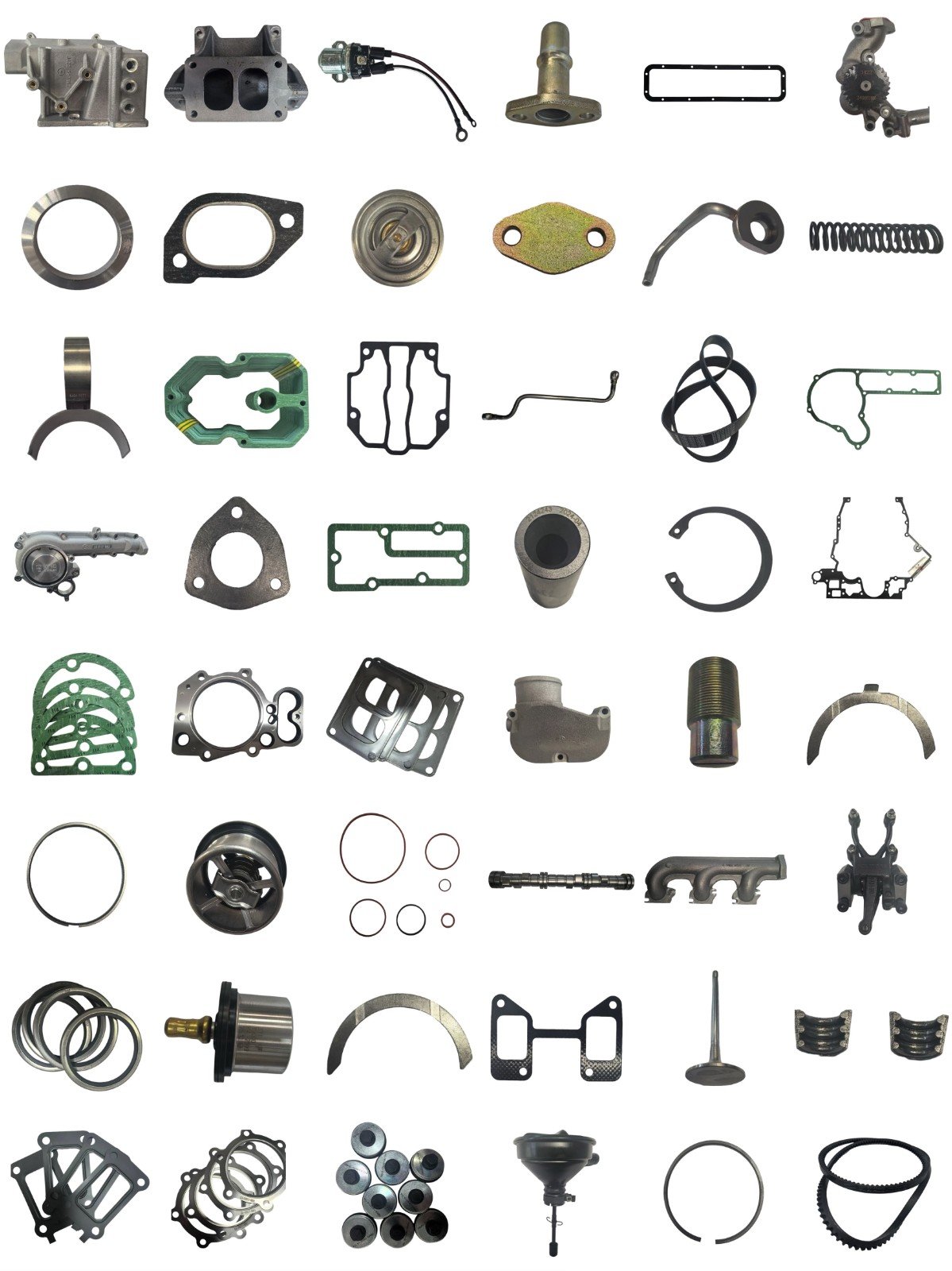
How Does the Main Shaft Tile Work in a Transmission System?
The main shaft tile plays a central role in how a manual transmission system works. Here’s how it functions in the overall power transmission process:
Power Transfer: The engine generates power, which is transferred to the main shaft tile via the clutch. The main shaft tile then sends this power to various gears in the transmission.
Gear Engagement: As the vehicle’s transmission system shifts, the main shaft tile engages with the gears on the countershaft and other parts of the gearbox. The synchros help match the speed of the gears, enabling smooth shifting between gears.
Torque Distribution: When the vehicle shifts into a higher or lower gear, the main shaft tile helps redistribute torque between the engine and the wheels. This ensures that the vehicle can handle different driving conditions, such as acceleration or climbing hills.
Maintaining Engine Efficiency: By effectively transmitting power and enabling smooth shifting, the main shaft tile helps the engine run efficiently. A worn-out or faulty main shaft tile can lead to rough shifting and engine performance issues.
Common Symptoms of a Faulty Main Shaft Tile
If the main shaft tile becomes damaged or worn, it can lead to several issues in the transmission system. Here are some common signs of a faulty main shaft tile:
Difficulty Shifting Gears: If the main shaft tile is worn or damaged, it may cause difficulty in shifting gears smoothly. This can lead to grinding or jerky movements when shifting.
Unusual Noises: A damaged main shaft tile can create unusual noises, such as grinding, whirring, or whining, especially when shifting gears. These sounds are often a result of improper engagement between gears.
Slipping Gears: If the main shaft tile is not functioning properly, it may lead to gear slippage, where the transmission unexpectedly jumps out of gear while driving. This can be dangerous and is a clear sign of a problem.
Increased Vibration: A faulty main shaft tile can also cause increased vibration in the vehicle. This occurs when there is improper torque distribution or when the transmission components are not engaging correctly.
Oil Leaks: While not always directly related to the main shaft tile itself, issues with the main shaft assembly can sometimes cause oil leaks, especially if seals and gaskets are worn.
How to Replace the Main Shaft Tile
Replacing a main shaft tile requires significant disassembly of the transmission system. Here’s an overview of the replacement process:
Transmission Removal: The transmission must be removed from the vehicle to access the main shaft assembly. This step usually involves disconnecting the driveshaft, clutch, and other related components.
Disassemble the Transmission: After removing the transmission, it needs to be disassembled to access the main shaft. This can involve removing the gearbox cover, removing gears, and inspecting other related components.
Remove the Old Main Shaft Tile: Once the transmission is disassembled, the old main shaft tile is carefully removed. It may be necessary to remove other parts, such as the synchronizer and gear components, to extract the tile.
Install the New Main Shaft Tile: The new main shaft tile is then installed in place of the old one. It’s important to ensure that the tile is properly aligned and securely fastened to avoid future issues.
Reassemble the Transmission: After the new main shaft tile is in place, the transmission is reassembled, and all components are torqued to the manufacturer’s specifications.
Reinstall the Transmission: The transmission is then reinstalled back into the vehicle, and everything is reconnected.
Test the Vehicle: After reinstallation, the vehicle is tested to ensure that the transmission is functioning smoothly and that no unusual noises or issues are present.
Frequently Asked Questions (FAQs)
Q: What is the main function of a main shaft tile?
A: The main function of a main shaft tile is to transfer power from the engine to the transmission and then distribute torque to the vehicle’s wheels. It ensures smooth gear engagement and contributes to overall engine efficiency.
Q: How do I know if my main shaft tile is faulty?
A: Common signs of a faulty main shaft tile include difficulty shifting gears, unusual noises during gear shifts, slipping gears, and increased vibration while driving.
Q: Can I replace the main shaft tile myself?
A: Replacing a main shaft tile is a complex and labor-intensive process that requires mechanical expertise and specialized tools. It’s generally recommended to have a professional mechanic perform the replacement.
Q: How long does a main shaft tile last?
A: The lifespan of a main shaft tile depends on the vehicle's usage, driving conditions, and maintenance. With proper care and regular maintenance, a main shaft tile can last many years or up to 100,000 miles or more.
Q: What happens if I don’t replace a worn main shaft tile?
A: If a worn or damaged main shaft tile is not replaced, it can lead to transmission failure, poor gear shifting, and even complete transmission breakdown. It’s crucial to replace it to maintain vehicle safety and performance.


