The Exhaust Manifold Gasket: Critical Engine Sealing
The Exhaust Manifold Gasket is an indispensable sealing component positioned between the engine's cylinder head and the exhaust manifold. Its fundamental role is to create a tight, reliable seal that prevents hot, high-pressure exhaust gases from escaping before they are properly channeled into the exhaust system.
Key Features and Performance Benefits
A high-quality exhaust manifold gasket is crucial for maintaining engine health and performance:
| Feature | Key Benefit | Impact on Vehicle/Engine |
| High-Temperature & High-Pressure Sealing | Withstands extreme heat and pressure from combustion. | Ensures a reliable, consistent seal under harsh operating conditions. |
| Prevents Exhaust Leaks | Seals the joint tightly. | Prevents gases from escaping into the engine bay (a fire hazard) or the environment, maintaining emissions compliance. |
| Noise Reduction | Eliminates leaks that cause hissing or ticking sounds. | Contributes to quieter operation and enhanced driving comfort. |
| Improved Engine Performance | Maintains proper exhaust flow and back-pressure. | Supports stable engine combustion, optimal power delivery, and fuel efficiency. |
| Component Protection | Keeps hot gases contained. | Prevents thermal damage and corrosion to adjacent components, including the cylinder head, sensors, and the manifold itself, extending their lifespan. |
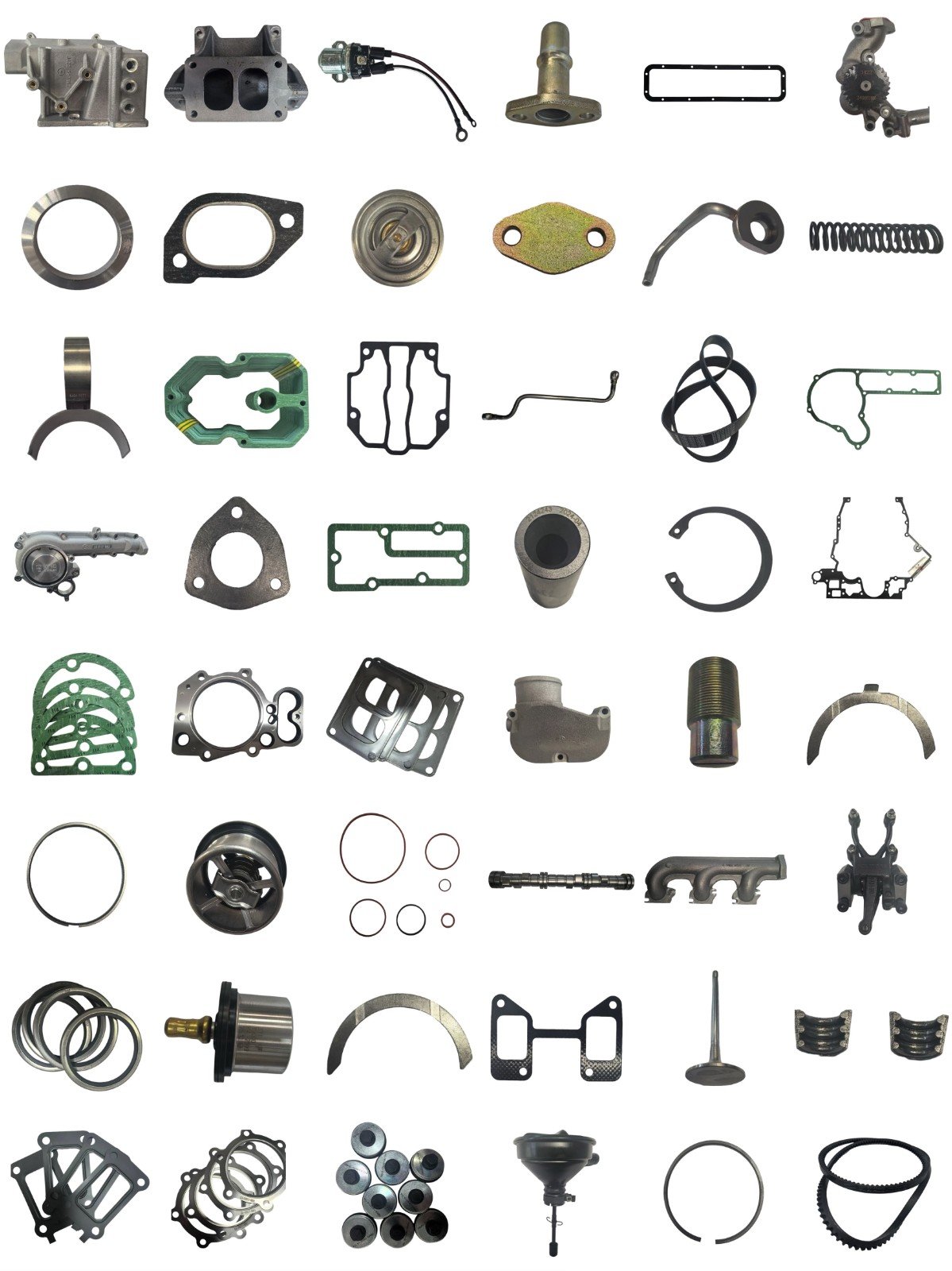
Target Customers and Applications
The demand for high-quality Exhaust Manifold Gaskets spans the entire automotive repair and supply chain:
Automotive Repair Shops: Used routinely for exhaust system repair or during manifold replacement.
Engine Service: Essential during engine rebuilds, overhauls, or upgrades, especially for older or high-mileage vehicles.
Auto Parts Distributors/Wholesalers: Supplied as both OEM and aftermarket gaskets for large-scale inventory.
Vehicle Owners: Purchased by those focused on emission compliance, noise reduction, and stable engine performance.


