Turbocharger Return Pipe — Durable Oil Return Lines for Turbo Systems
High-Quality Turbocharger Return Pipes for Engines & Generators
A turbocharger return pipe (also known as a turbo oil return pipe or turbocharger oil return line) plays a vital role in any turbocharged engine system. It provides a dedicated path for used lubricating oil to flow from the turbocharger back to the engine’s oil sump, ensuring proper lubrication, cooling, and efficient turbocharger operation.
What Is a Turbocharger Return Pipe?
The turbocharger return pipe is a precision-built line that allows engine oil, after circulating through the turbocharger bearings, to drain back into the engine block or oil pan. Due to the high temperatures and RPMs involved in turbo operation, maintaining an unobstructed, gravity-assisted return path for the oil is essential to prevent oil starvation, reduce turbo bearing wear, and ensure system reliability.
Key Features & Benefits
✔ Ensures Proper Oil Circulation
Designed to maintain smooth oil flow from the turbocharger back to the oil sump, preventing oil pooling and reducing internal pressure in the turbo system.
✔ High-Temperature & Pressure Resistance
Constructed from heat-resistant metals, rubber-reinforced hoses, or welded assemblies, these pipes withstand the demanding conditions generated by turbo systems.
✔ OEM-Fit & Reliable Performance
Our return pipes are designed to match or exceed OEM standards for perfect fitment and long-lasting performance, minimizing leak risks and ensuring stable turbo operation.
✔ Corrosion & Wear Resistance
Materials and coatings are chosen to resist corrosive engine environments, ensuring longer service life and lower maintenance costs.
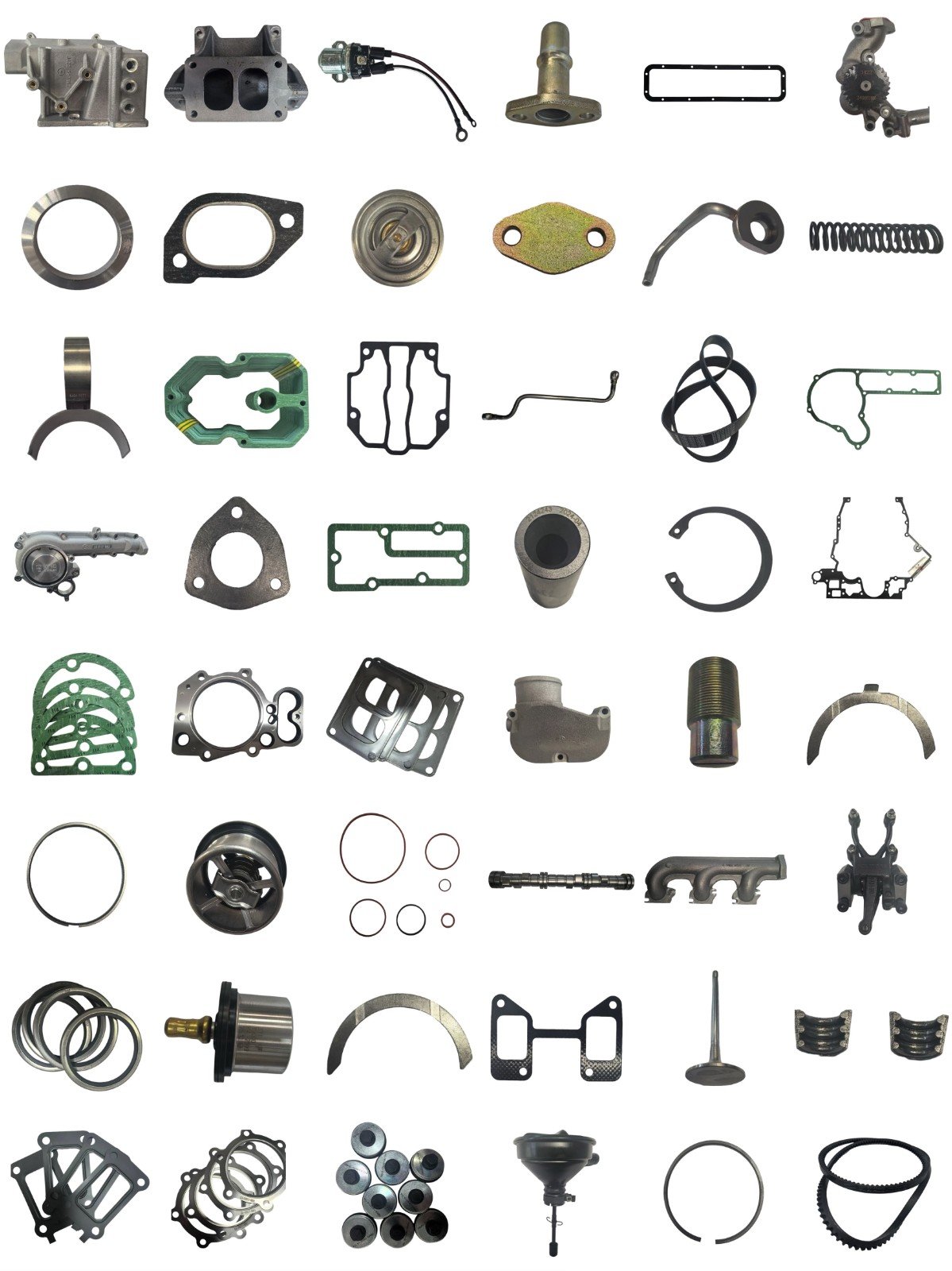
Other sapre parts
Typical Applications
Turbocharger return pipes are widely used in:
Diesel and gas power generator sets
Industrial engines and machinery
Heavy-duty trucks and buses
Automotive turbocharged engines
Construction and agricultural engines
They are crucial in systems where forced induction and high turbo speeds require efficient lubrication return for dependable performance.
How It Works
Turbochargers rely on a constant supply of clean oil to lubricate bearings and dissipate heat. Fresh oil enters the turbocharger through the feed line, circulates for lubrication, then must return unimpeded to the oil reservoir. The return pipe accomplishes this via gravity-assisted flow to the oil pan or crankcase, ensuring that the turbocharger stays lubricated and free from harmful oil buildup.
Signs Your Turbocharger Return Pipe Needs Replacement
Watch for these common indicators that a return pipe may be failing:
Oil leaks around the turbocharger area
Smoke or oil pooling under the engine
Unusual engine oil consumption
Reduced turbo performance or overheating
If the return pipe is blocked, damaged, or incorrectly installed, it can lead to oil starvation and accelerated wear on the turbocharger bearings.
Installation & Maintenance Tips
To ensure the best performance and longevity:
✔ Inspect return pipes regularly during routine engine maintenance
✔ Avoid kinks or sharp bends that could impede oil flow
✔ Ensure proper routing with a downward slope towards the engine oil sump
✔ Replace gaskets, seals, and clips during installation for leak-free operation
Proper pipe routing and quality installation help extend turbo and engine life by maintaining uninterrupted oil circulation.
Why Choose Our Turbocharger Return Pipes?
High-quality materials built for heat, pressure, and vibration
OEM-compliant designs for direct fitment and reliable operation
Suitable for generators, industrial engines, and automotive use
Technical support for correct part selection
Global supply and competitive pricing
Whether you are servicing a generator, a heavy-duty engine, or a high-performance turbo system, our return pipes deliver robust performance and long service life.
FAQ — Turbocharger Return Pipes
Q1: What is the difference between a return pipe and a feed pipe?
A: The feed pipe supplies pressurized oil to the turbo, while the return pipe carries used oil back to the engine sump. Proper operation of both is essential for turbo reliability.
Q2: Can I reuse a return pipe after removal?
A: If the pipe is bent, damaged, or has internal clogging, it should be replaced to prevent turbo failure. Regular inspection is recommended.
Q3: What materials are typically used for return pipes?
A: Common materials include heat-resistant metals and rubber-reinforced hoses, chosen for durability under high temperature and vibration.


