Piston Ring Cone Ring: Enhance Engine Performance and Longevity
What is a Piston Ring Cone Ring?
A piston ring cone ring is a vital component in an internal combustion engine that forms a seal between the piston and the cylinder wall. It serves multiple important functions, such as controlling the amount of oil that reaches the combustion chamber, maintaining compression, and aiding in heat transfer from the piston to the cylinder.
The cone ring design is a specific type of piston ring that features a tapered shape, often used for high-performance engines or in situations where reduced friction and enhanced sealing properties are critical. This specialized design improves the overall performance and durability of the engine.
Key Functions of Piston Ring Cone Rings
Compression Control:
The piston ring cone ring helps maintain the correct compression within the engine. When the piston moves up and down inside the cylinder, the piston ring ensures that the combustion gases stay in the combustion chamber, which is essential for efficient power generation.
Oil Control:
The piston ring cone ring regulates the amount of oil that is allowed to pass from the crankcase into the combustion chamber. This helps prevent excessive oil consumption and keeps the engine running smoothly by minimizing the amount of oil that burns during combustion.
Heat Transfer:
Piston rings are responsible for transferring heat from the piston to the cylinder wall. This helps prevent the piston from overheating and ensures that the engine operates at an optimal temperature. The cone ring’s tapered design enhances this heat transfer efficiency by providing a better seal against the cylinder wall.
Preventing Blow-by:
Blow-by occurs when combustion gases escape past the piston rings and enter the crankcase. The piston ring cone ring forms a tight seal that reduces the risk of blow-by, which can lead to power loss and increased emissions.
Benefits of Piston Ring Cone Rings
Improved Engine Efficiency:
The piston ring cone ring’s specialized design helps reduce friction between the piston and cylinder wall, improving overall engine efficiency. This leads to better fuel economy and reduced engine wear.
Increased Durability:
The high-performance design of the cone ring offers greater resistance to wear and tear. It is particularly useful in engines subjected to high stress and heat, ensuring that the engine runs smoothly for a longer period.
Enhanced Sealing:
The cone-shaped profile of the ring ensures a better seal against the cylinder wall, reducing the possibility of oil leakage into the combustion chamber. This contributes to reduced emissions and smoother engine performance.
High-Performance Applications:
Cone rings are commonly used in high-performance engines, such as those found in racing cars or performance vehicles, due to their ability to withstand high temperatures and pressures while maintaining optimal sealing.
How Piston Ring Cone Rings Work
Piston rings are designed to sit in grooves around the piston and make contact with the cylinder walls as the piston moves up and down during engine operation. The cone ring takes advantage of its tapered shape to better conform to the cylinder's walls, ensuring a tighter seal and reducing the risk of blow-by. As the piston moves, the cone ring maintains a balance between sealing the combustion gases in the cylinder and controlling oil flow to prevent excessive consumption.
The cone ring typically consists of high-strength materials, such as cast iron or steel, to ensure durability and performance under high-temperature and high-pressure conditions.
Materials Used in Piston Ring Cone Rings
Cast Iron:
Cast iron is commonly used for piston rings due to its excellent wear resistance and ability to withstand high temperatures. It is also relatively easy to manufacture, making it an affordable option for standard engine applications.
Steel:
Steel piston rings are often used for high-performance or heavy-duty engines, as they offer superior strength, heat resistance, and durability. Steel piston rings are more resistant to deformation under pressure and temperature extremes.
Chrome-Plated Steel:
Chrome-plated steel piston rings are designed for high-performance engines. The chrome plating improves the hardness and durability of the ring, providing better resistance to wear and corrosion.
Nitrided Steel:
Nitriding is a process that hardens the surface of the steel to make it more resistant to wear. Nitrided steel piston rings are often used in high-performance applications, as they offer excellent strength and resistance to high heat and pressure.
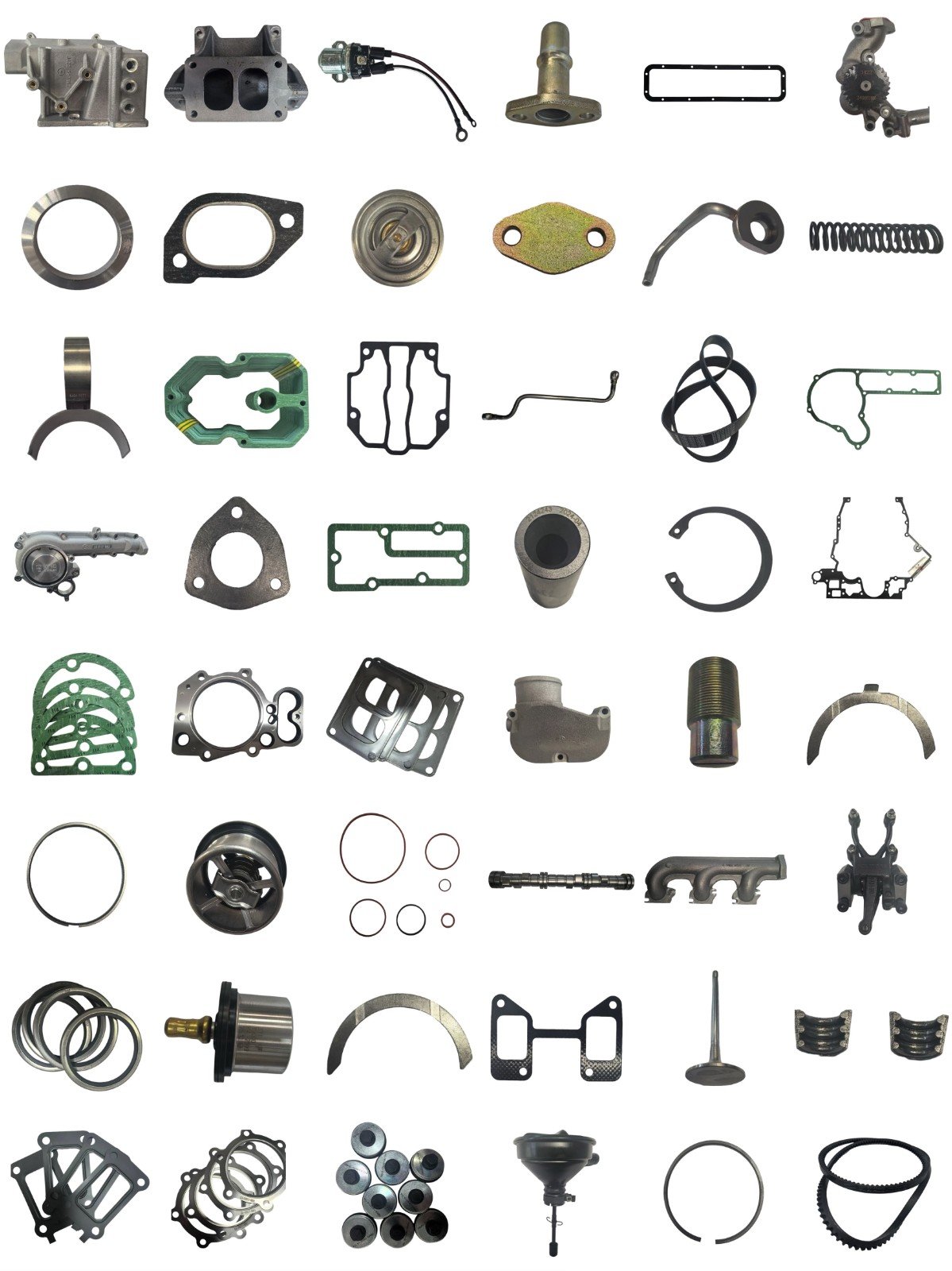
How to Replace Piston Ring Cone Rings
Replacing piston ring cone rings is a complex procedure that typically requires the removal of the engine’s cylinder head, piston, and other associated components. Here’s a general outline of the process:
Remove the Cylinder Head: To access the piston and rings, the cylinder head and valve components must be removed.
Disassemble the Piston: The piston is removed from the engine block, and the old piston ring cone rings are carefully removed from the piston grooves.
Install New Piston Ring Cone Rings: New piston ring cone rings are placed into the piston grooves, ensuring that they fit correctly and form a tight seal. The rings should be installed with the correct orientation and should be free of any debris or damage.
Reassemble the Engine: Once the new rings are in place, the engine is reassembled, with the piston and cylinder head being replaced. Make sure to properly torque all components to the manufacturer’s specifications.
Test the Engine: After reassembly, the engine should be tested for leaks, proper compression, and performance to ensure that the piston rings are functioning as expected.
Symptoms of Worn or Faulty Piston Ring Cone Rings
Worn or damaged piston rings can lead to a variety of engine issues. Here are some common symptoms to watch for:
Excessive Oil Consumption: If the piston ring cone ring is not properly controlling oil flow, you may notice increased oil consumption, as oil leaks into the combustion chamber.
Low Compression: Damaged or worn piston rings can cause a loss of compression, which may result in poor engine performance, reduced power, and difficulty starting the engine.
Blue Smoke from the Exhaust: Blue smoke from the exhaust is often a sign that oil is being burned in the combustion chamber, a common result of faulty piston rings.
Increased Engine Noise: Worn piston rings can cause increased engine noise, as they may not be making a proper seal between the piston and cylinder wall.
Frequently Asked Questions (FAQs)
Q: What is the purpose of the piston ring cone ring?
A: The piston ring cone ring helps to maintain compression, control oil consumption, and ensure proper heat transfer between the piston and the cylinder wall. Its tapered design enhances sealing and reduces friction.
Q: How can I tell if my piston ring cone rings need replacement?
A: Common signs that your piston ring cone rings may need replacement include excessive oil consumption, blue smoke from the exhaust, low engine compression, and increased engine noise.
Q: Can I replace piston ring cone rings myself?
A: Replacing piston ring cone rings is a complex and labor-intensive task that typically requires professional mechanical knowledge and tools. It’s recommended to have the replacement done by a qualified mechanic to ensure proper installation.
Q: How long do piston ring cone rings last?
A: The lifespan of piston ring cone rings depends on the engine's maintenance, driving conditions, and usage. With proper maintenance, piston rings can last between 100,000 and 150,000 miles, but they may wear out sooner in high-performance or heavy-duty engines.


