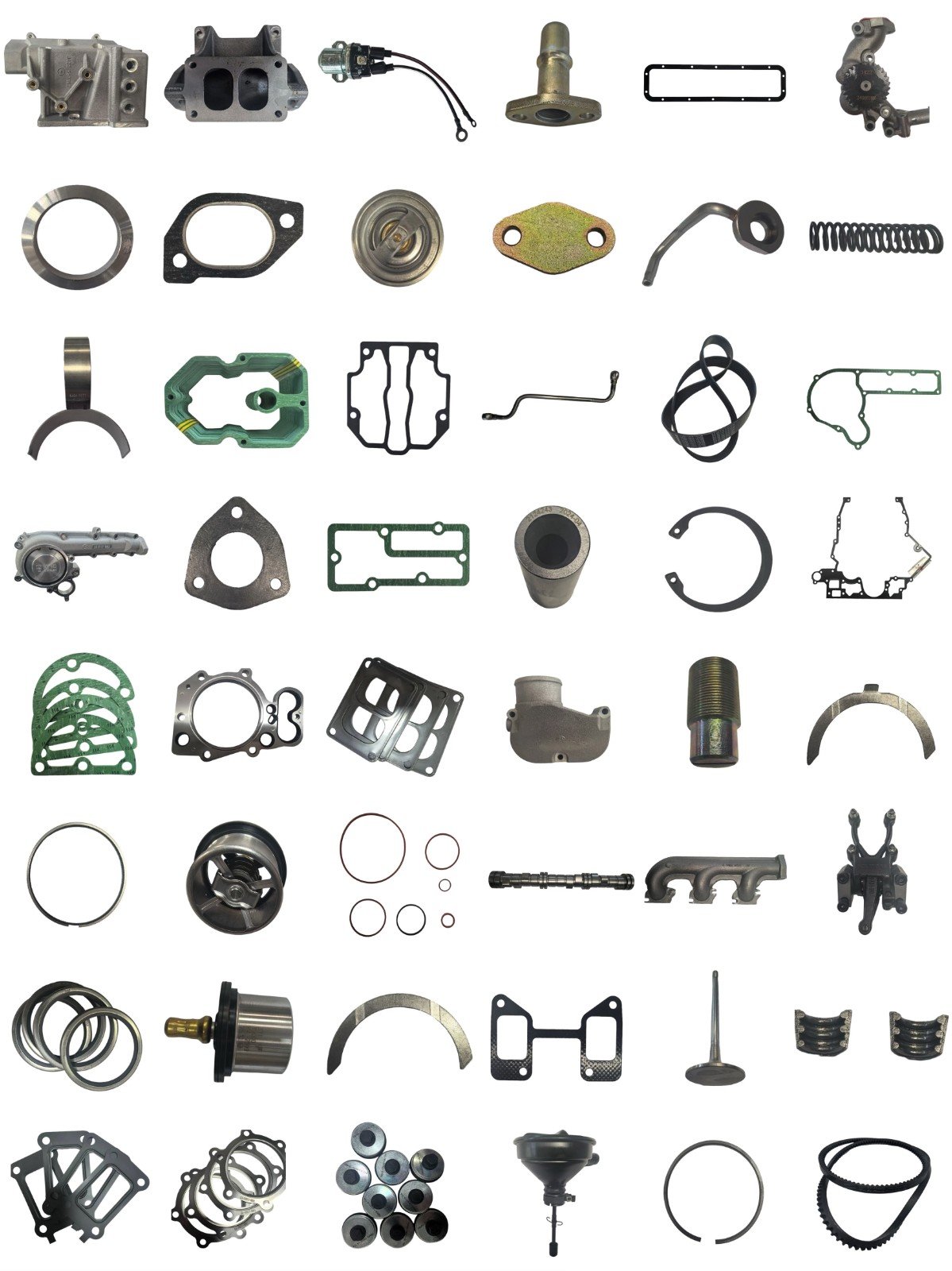
This Thermostat Upper Cover (Thermostat Housing Cover) is a critical component that represents a high-demand SKU for the automotive aftermarket, primarily due to common material failure modes driven by extreme engine conditions.
Here is a comprehensive overview of the product's value proposition, key failure drivers that lead to replacement, and the benefits of the different material options.
Core Value Proposition: Why This Component Fails & Sells
The housing's primary purpose is to be the most reliable sealing point for the thermostat and the junction for all major coolant hoses. Its value as a replacement part is high because it is subjected to a constant barrage of high pressure, high heat, and chemical exposure from engine coolant, which causes the material to degrade over time.
The Failure Mode (Demand Driver)
The thermostat housing is a common point of failure, especially on older vehicles or those with original equipment (OEM) plastic housings. The failure process is as follows:
| Failure Cause | Resulting Problem | Impact on Engine/Vehicle |
| Heat Cycling & Age | The material (especially high-temperature plastic) becomes brittle, warps, or develops hairline cracks. | Coolant Leakage—The most common failure mode, leading to low coolant levels and system air pockets. |
| Seal/Gasket Wear | Repeated heat cycles cause the rubber gaskets/O-rings to compress, harden, or crack. | Persistent Leaks—Coolant seeps out between the housing and the engine block/cylinder head, even after an attempted gasket-only replacement. |
| Thermostat Malfunction | A failed thermostat (stuck open or closed) can cause excessive pressure or localized overheating. | Catastrophic Housing Failure—Over-pressurization can cause the brittle housing to burst or crack suddenly, leading to rapid coolant loss. |
This Thermostat Upper Cover (Thermostat Housing Cover) is a critical component that represents a high-demand SKU for the automotive aftermarket, primarily due to common material failure modes driven by extreme engine conditions.
Here is a comprehensive overview of the product's value proposition, key failure drivers that lead to replacement, and the benefits of the different material options.
Core Value Proposition: Why This Component Fails & Sells
The housing's primary purpose is to be the most reliable sealing point for the thermostat and the junction for all major coolant hoses. Its value as a replacement part is high because it is subjected to a constant barrage of high pressure, high heat, and chemical exposure from engine coolant, which causes the material to degrade over time.
The Failure Mode (Demand Driver)
The thermostat housing is a common point of failure, especially on older vehicles or those with original equipment (OEM) plastic housings. The failure process is as follows:
| Failure Cause | Resulting Problem | Impact on Engine/Vehicle |
| Heat Cycling & Age | The material (especially high-temperature plastic) becomes brittle, warps, or develops hairline cracks. | Coolant Leakage—The most common failure mode, leading to low coolant levels and system air pockets. |
| Seal/Gasket Wear | Repeated heat cycles cause the rubber gaskets/O-rings to compress, harden, or crack. | Persistent Leaks—Coolant seeps out between the housing and the engine block/cylinder head, even after an attempted gasket-only replacement. |
| Thermostat Malfunction | A failed thermostat (stuck open or closed) can cause excessive pressure or localized overheating. | Catastrophic Housing Failure—Over-pressurization can cause the brittle housing to burst or crack suddenly, leading to rapid coolant loss. |
Failure Symptoms Driving Repair Shop Traffic
Repair shops see this replacement as a high-priority job because a faulty housing can quickly lead to catastrophic engine damage.Common customer-reported symptoms include:
Visible Coolant Leaks: Puddles of coolant (often green, pink, or orange) underneath the front of the vehicle.
Engine Overheating: A temperature gauge reading consistently high or fluctuating wildly (which can be caused by the subsequent loss of coolant).
Low Coolant Warning Light: Illumination of the low coolant level warning or the Check Engine Light (CEL) for thermostat performance trouble codes.
Poor Heater Performance: Insufficient warm air from the cabin heater, a symptom of low coolant levels or the engine running too cool because the thermostat is stuck open.
Material Advantages for Target Users (Distributors & Builders)
The materials used in your product line directly determine the target customer and the product's lifespan.
| Material | Primary Advantage | Target Customer & Use Case | Key Features |
High-Temperature Composite Plastic | Cost-Effective OEM Replacement | Auto Parts Distributors and Repair Shops looking for a budget-friendly, direct-fit replacement for the factory unit. | Good initial seal (designed for flex), lightweight, immune to rust. Note: Shorter lifespan; prone to cracking over time due to high heat cycles. |
Die-Cast Aluminum / High-Strength Alloy | Maximum Durability & Heat Resistance | Engine Builders, Performance/Tuning Shops, and Owners of Used/Older Vehicles seeking a permanent upgrade. | Superior strength, greater heat and pressure resistance, longer service life, less prone to warping or sudden cracking. Often used to replace known-to-fail OEM plastic designs. |
Conclusion: Why This Is a Key SKU
The Thermostat Housing Cover is not just a seal; it is the central artery junction of the cooling system.
For Repair Shops: It is a high-frequency, non-negotiable repair part. A failure directly threatens the engine, meaning the part must be replaced immediately.
For Parts Distributors: It is an ideal SKU because OEM plastic versions have a predictable failure cycle, guaranteeing repeat business, while the metal alloy versions offer a high-margin upgrade opportunity.