Piston Ring Trapezoidal Ring: Key to Optimal Engine Compression and Performance
What is a Piston Ring Trapezoidal Ring?
A piston ring trapezoidal ring is a specialized type of piston ring used in internal combustion engines to seal the combustion chamber and maintain engine compression. It is designed with a trapezoidal cross-section, offering enhanced sealing capabilities compared to traditional round piston rings. The trapezoidal shape allows for better contact with the cylinder wall, ensuring a tighter seal and reducing the chances of combustion gases leaking past the piston.
Piston rings are essential for maintaining engine performance, reducing oil consumption, and preventing excessive emissions. The trapezoidal piston ring, with its unique design, is used in high-performance engines, heavy-duty applications, and vehicles that require improved sealing and longer-lasting performance.
Key Functions of a Piston Ring Trapezoidal Ring
Sealing the Combustion Chamber:
The primary function of the piston ring trapezoidal ring is to form a tight seal between the piston and the cylinder wall. This prevents combustion gases from escaping past the piston, ensuring optimal compression within the combustion chamber. Without a proper seal, engine efficiency is compromised, leading to a loss of power, poor fuel economy, and increased emissions.
Controlling Oil Consumption:
The piston ring trapezoidal ring also helps control oil consumption by scraping excess oil from the cylinder wall and returning it to the crankcase. This function prevents excessive oil from entering the combustion chamber, reducing the chances of carbon buildup and improving overall engine efficiency.
Maintaining Proper Compression:
The trapezoidal ring’s design ensures that it maintains a tight seal under pressure, which is crucial for maintaining the engine's compression ratio. Consistent compression is essential for optimal engine performance, as it directly impacts power output, fuel efficiency, and emissions.
Reducing Friction:
The trapezoidal design helps reduce friction between the piston and the cylinder wall. This contributes to smoother piston movement, reducing wear on both the piston and the cylinder walls and extending the overall lifespan of the engine.
Materials Used in Piston Ring Trapezoidal Rings
Piston ring trapezoidal rings are made from high-strength materials that can withstand the intense heat, pressure, and friction present inside an engine. The most common materials used include:
Cast Iron:
Cast iron is one of the most common materials used in piston rings due to its durability, wear resistance, and ability to withstand high temperatures. Cast iron rings provide excellent sealing properties and are cost-effective for standard engine applications.
Chromed Steel:
Some high-performance piston rings, including trapezoidal rings, are made from chromed steel. The chrome plating provides enhanced hardness, wear resistance, and corrosion resistance, making it suitable for engines that operate under high pressure and temperature.
Stainless Steel:
Stainless steel is used in some applications due to its excellent resistance to corrosion and high temperature stability. It is particularly useful for engines that operate in harsh conditions, such as marine engines or high-performance racing engines.
Molybdenum Coated Steel:
Molybdenum-coated piston rings are used in certain high-performance and heavy-duty applications. The molybdenum coating reduces friction and wear, improving the longevity of the piston ring and enhancing sealing performance.
How Does the Piston Ring Trapezoidal Ring Work?
The piston ring trapezoidal ring works by fitting snugly into the grooves of the piston and sealing the gap between the piston and the cylinder wall. Here’s a breakdown of how it functions within the engine:
Compression Seal:
The trapezoidal shape of the piston ring ensures that it applies even pressure against the cylinder wall. This pressure is critical for maintaining the engine’s compression ratio. When the piston moves up and down within the cylinder, the trapezoidal ring maintains a tight seal, preventing any combustion gases from escaping.
Oil Scraping:
As the piston moves up and down, the trapezoidal ring also scrapes excess oil off the cylinder walls, preventing it from entering the combustion chamber. This helps maintain proper oil levels and reduces the risk of oil burning, which could otherwise lead to increased emissions and reduced engine performance.
Enhanced Durability:
The unique trapezoidal design provides more uniform contact with the cylinder wall compared to traditional round piston rings, improving the seal over time and reducing wear. This design helps the piston ring last longer, even under high-stress conditions, such as in performance engines or heavy-duty vehicles.
Reduced Blow-By:
By forming a tighter seal, the trapezoidal piston ring reduces "blow-by," which is the leakage of combustion gases past the piston. Blow-by can reduce engine efficiency and cause excessive emissions. The trapezoidal shape helps minimize this issue, enhancing overall engine performance.
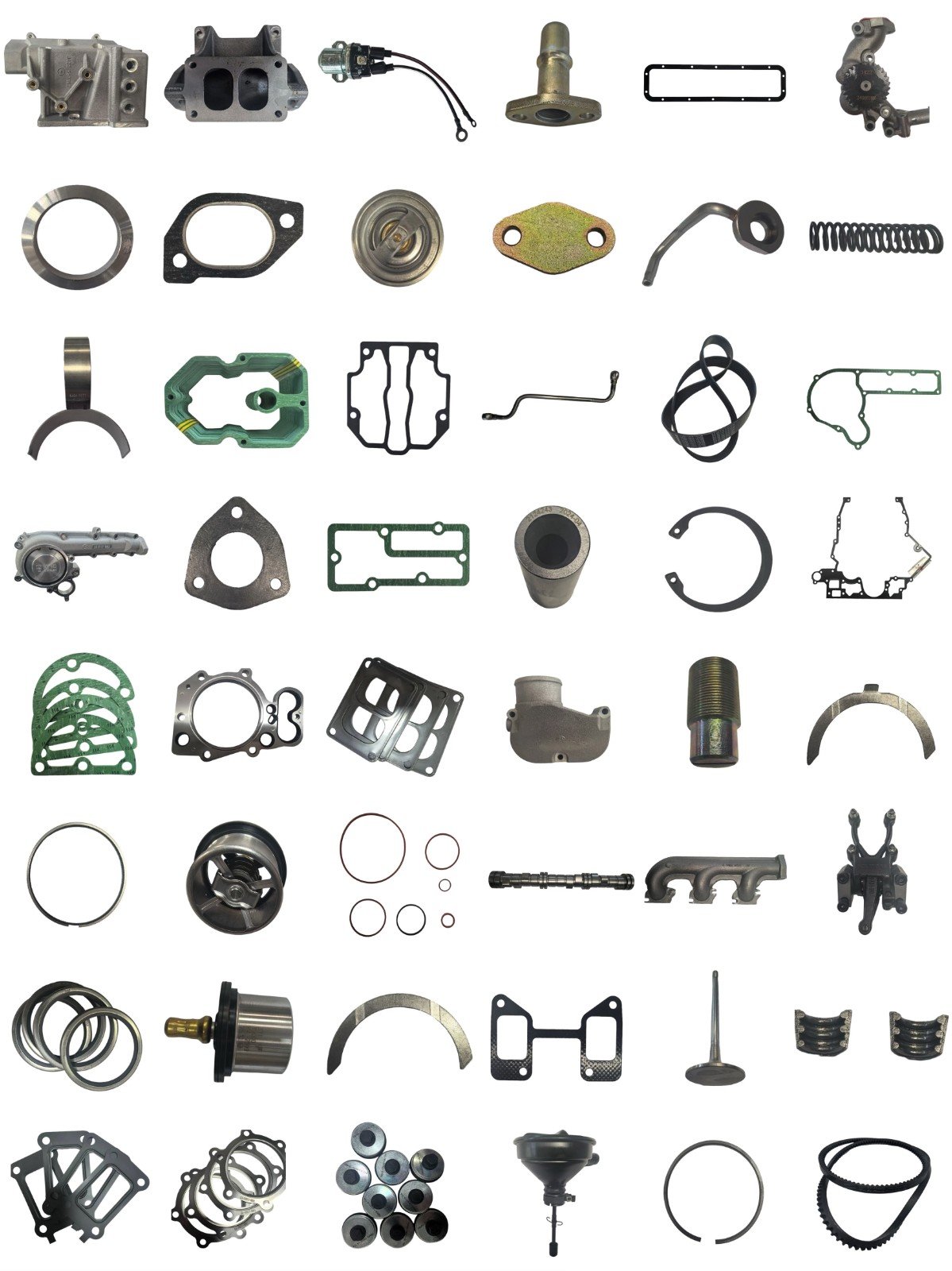
Benefits of Using a Piston Ring Trapezoidal Ring
Enhanced Sealing Performance:
The trapezoidal design ensures better sealing between the piston and the cylinder wall, which is essential for maintaining optimal engine compression and performance. It reduces the chances of combustion gases leaking into the crankcase, which can lead to power loss and increased emissions.
Improved Fuel Efficiency:
A properly sealed combustion chamber allows for better combustion, resulting in improved fuel efficiency. The tighter the seal, the more efficiently the engine burns fuel, leading to improved mileage and reduced fuel consumption.
Longer Engine Life:
The piston ring trapezoidal ring reduces friction and wear on both the piston and the cylinder wall, which helps prolong the life of the engine. By maintaining proper compression and reducing blow-by, it prevents premature engine failure and costly repairs.
Reduced Emissions:
A tight seal between the piston and cylinder prevents combustion gases from escaping, reducing the amount of harmful emissions produced by the engine. This is particularly important for meeting stringent environmental standards and improving the engine's eco-friendliness.
Common Symptoms of a Faulty Piston Ring Trapezoidal Ring
If the piston ring trapezoidal ring becomes damaged or worn out, it can lead to several issues within the engine. Some common symptoms include:
Loss of Compression: If the ring fails to maintain a proper seal, you may experience a loss of compression, resulting in poor engine performance, reduced power output, and misfires.
Increased Oil Consumption: A damaged piston ring may allow excessive oil to enter the combustion chamber, leading to increased oil consumption and potential smoke from the exhaust.
Blue Smoke from Exhaust: If oil is burning due to a faulty piston ring, blue smoke may be emitted from the exhaust. This is a sign that the engine is consuming more oil than it should.
Poor Engine Performance: Reduced sealing performance can cause engine misfires, poor acceleration, rough idling, and reduced fuel efficiency.
How to Replace the Piston Ring Trapezoidal Ring
Replacing a piston ring trapezoidal ring is a complex procedure that requires engine disassembly. Here’s a basic outline of the process:
Engine Disassembly:
To replace the piston ring, the engine must be disassembled. This typically involves removing the cylinder head, timing components, and other engine parts to access the piston.
Remove the Piston:
Once the engine is disassembled, the piston can be removed from the cylinder. The piston ring will be located within the piston grooves.
Replace the Piston Ring:
The old trapezoidal piston ring is removed and replaced with a new one. It’s crucial to ensure that the new piston ring is properly installed and seated within the piston grooves.
Reassemble the Engine:
After replacing the piston ring, the engine is reassembled, and all parts are torqued to the manufacturer’s specifications.
Test the Engine:
After the engine is reassembled, it should be tested for proper compression, performance, and oil consumption. If everything operates smoothly, the replacement is complete.
Frequently Asked Questions (FAQs)
Q: What is the main difference between trapezoidal piston rings and traditional round piston rings?
A: The main difference lies in the cross-sectional shape. Trapezoidal piston rings have a tapered profile that provides a better seal and improved contact with the cylinder wall, reducing blow-by and enhancing engine efficiency.
Q: How do I know if my piston ring trapezoidal ring is worn out?
A: Symptoms of a worn piston ring include decreased engine compression, increased oil consumption, blue smoke from the exhaust, and poor engine performance.
Q: Can I replace the piston ring trapezoidal ring myself?
A: Replacing piston rings requires significant engine disassembly and technical expertise. It is recommended that this be done by a professional mechanic or at an auto repair shop.
Q: How long do piston ring trapezoidal rings last?
A: Piston rings can last for the life of the engine with proper maintenance. However, high-performance engines or those with heavy usage may require more frequent inspection.
Q: Why is a trapezoidal piston ring better than a round one?
A: The trapezoidal design provides better sealing by maintaining more uniform contact with the cylinder wall. It also reduces blow-by, improves engine efficiency, and extends the lifespan of the piston ring.


