he Engine Thermostat: The Engine's Temperature Regulator
The Engine Thermostat is a small, but vital, valve that serves as the automatic temperature regulator for the engine's cooling system.It is responsible for controlling the flow of coolant between the engine and the radiator to ensure the engine runs within its ideal operating temperature range (typically around 90-105 °C).
How It Works
The thermostat uses a charge cylinder filled with wax that expands and contracts with temperature changes:
Cold Start: The wax is solid, and the thermostat valve remains closed. This blocks coolant flow to the radiator (the cooling circuit), forcing the coolant to bypass it and circulate only within the engine block.This allows the engine to warm up quickly.
Reaching Optimal Temperature: Once the coolant temperature reaches the thermostat's calibrated opening point (e.g.,90°C), the wax melts and expands. This expansion pushes a rod that gradually opens the main valve to the radiator.
Normal Operation: The thermostat continually modulates its opening to precisely control the amount of coolant that flows to the radiator for cooling, thereby maintaining a stable, optimal operating temperature.
Key Features and Engine Protection
The proper function of the thermostat is directly linked to the engine's health and efficiency:
Fast Warm-Up / Reduced Cold-Start Wear: By delaying flow to the radiator, it minimizes the time the engine spends running cold, which is when lubrication is least effective and most wear occurs.
Improved Efficiency & Emissions: Maintaining the optimal temperature range ensures complete fuel combustion and efficient oil viscosity, resulting in better fuel economy and reduced emissions.
Engine Protection & Longevity: It prevents the two critical failure modes:
Overheating: By opening to allow necessary cooling.
Over-cooling: By staying closed or partially closed, preventing the engine from running too cold, which can lead to crankcase sludge and poor performance.
Wide Compatibility: Suitable as a standard OEM or aftermarket replacement for various gasoline and diesel engines.
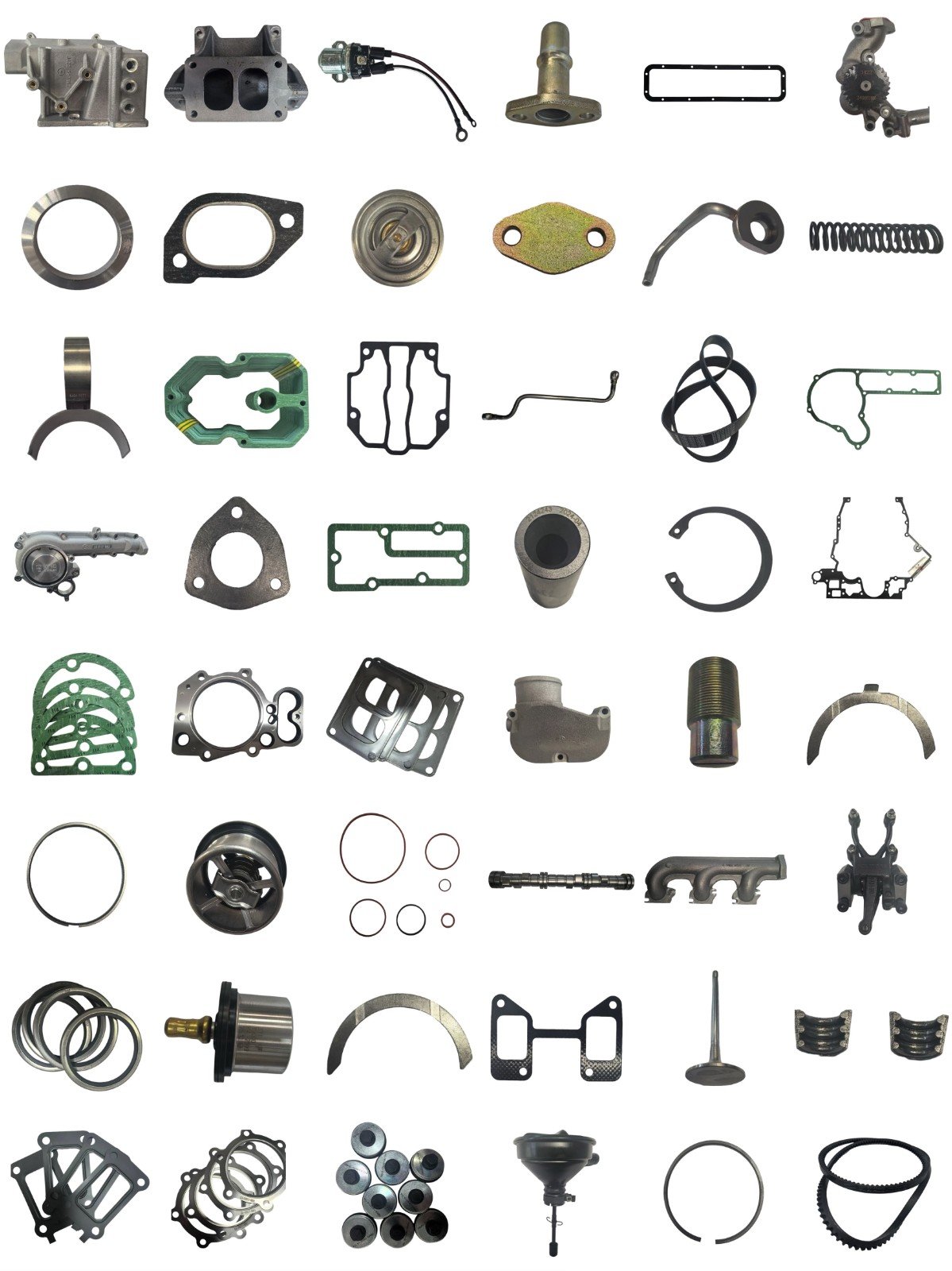
Common Symptoms of Thermostat Failure
Because the thermostat can fail by sticking in either the open or closed position, the symptoms vary:
| Failure Mode | Symptoms |
| Stuck Closed | Engine Overheating (most common and dangerous symptom), Erratic temperature gauge readings, Coolant leaks (from pressure buildup). |
| Stuck Open | Engine Runs Too Cold (temperature gauge stays at the bottom of the normal range), Poor Cabin Heat (especially in cold weather), Decreased Fuel Efficiency. |


