What is an Intake Manifold Gasket?
An intake manifold gasket is a crucial component in your vehicle's engine system. It seals the connection between the intake manifold and the engine block, ensuring that the intake manifold remains tightly attached and the engine operates efficiently. This gasket plays a key role in preventing leaks of air, fuel, or coolant, which can significantly impact engine performance.
Without a properly functioning intake manifold gasket, you may face poor fuel economy, engine misfires, or even overheating issues. Regularly checking the intake manifold gasket’s condition is essential to avoid costly engine repairs.
Key Functions of the Intake Manifold Gasket
Seals the Intake Manifold: The primary function is to create an airtight seal between the intake manifold and the engine block, preventing the leakage of air and fuel.
Preventing Coolant Leaks: If your vehicle has a water-cooled intake manifold, the gasket also prevents coolant from leaking into the engine or outside.
Maintaining Engine Efficiency: A good-quality gasket ensures that the engine's air-fuel mixture remains optimal for performance, improving fuel efficiency and engine power.
Minimizes Emissions: A well-sealed intake manifold gasket prevents unburned fuel and air from escaping, which helps reduce harmful emissions.
Signs You Need to Replace Your Intake Manifold Gasket
There are several common symptoms that could indicate your intake manifold gasket needs to be replaced. These include:
Engine Misfire: If the gasket is leaking, it may cause an air-fuel mixture imbalance, leading to engine misfires or rough idling.
Loss of Power: A leaking intake manifold gasket can affect the air-fuel mixture, causing a reduction in engine power.
Overheating: Coolant leaks can cause your engine to overheat, which may indicate that the gasket is faulty.
Coolant or Oil Leaks: Visible leaks of coolant or oil around the intake manifold area are clear signs that the gasket needs attention.
Increased Fuel Consumption: If your vehicle is consuming more fuel than usual, it could be a result of air-fuel imbalance caused by a damaged intake manifold gasket.
How to Replace an Intake Manifold Gasket
Replacing an intake manifold gasket is a complex process that typically involves the following steps:
Remove the Intake Manifold: Disconnect the intake manifold from the engine, ensuring that all hoses and sensors are properly detached.
Clean the Surface: Thoroughly clean the surface where the old gasket was installed. This helps ensure a proper seal for the new gasket.
Install the New Gasket: Carefully place the new intake manifold gasket into position, making sure it fits perfectly.
Reassemble the Components: Reattach the intake manifold and tighten the bolts to the manufacturer’s specifications.
Test the Engine: Start the engine and check for any signs of leaks or irregularities. If everything looks good, you’ve successfully replaced the gasket.
Common Causes of Intake Manifold Gasket Failure
Heat Cycles: Constant heating and cooling of the engine can cause the gasket material to deteriorate over time.
Improper Installation: If the gasket is not installed correctly, it can result in leakage and gasket failure.
Age and Wear: Over time, the rubber or silicone materials in the gasket can wear out, leading to cracks or tears.
Contamination: Exposure to engine oil, coolant, or other contaminants can weaken the gasket material.
Types of Intake Manifold Gaskets
Rubber Gaskets: These are the most common type and are generally used for vehicles that require a standard seal.
Composite Gaskets: Made from a combination of rubber, metal, and other materials, these gaskets provide better durability and sealing.
Metal Gaskets: These gaskets are typically used in high-performance engines, as they can handle extreme conditions and provide superior sealing.
Silicone Gaskets: Flexible and resistant to high temperatures, silicone gaskets are commonly used for sealing intake manifolds in modern vehicles.
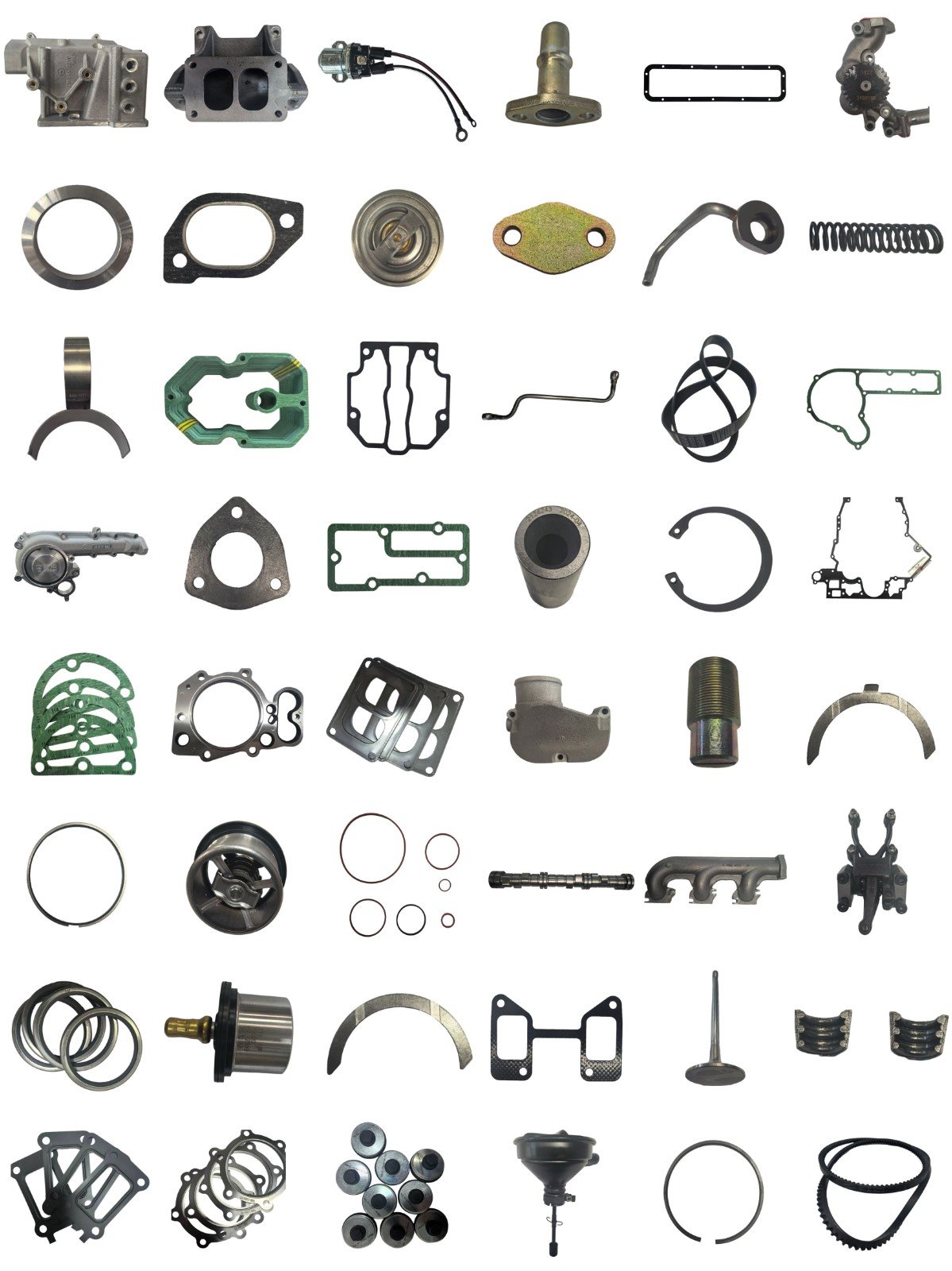
Why Choose the Right Intake Manifold Gasket?
Selecting the correct intake manifold gasket is vital for your vehicle's performance. Using a high-quality gasket ensures that your engine runs smoothly and that you won’t face costly repairs due to leaks or poor sealing. It's also important to ensure the gasket is compatible with your vehicle’s make and model.
At EN-ENERGY, we offer a wide selection of top-quality intake manifold gaskets designed to fit a range of vehicles. Our gaskets are engineered to provide a durable, reliable seal to ensure your engine’s optimal performance.
Frequently Asked Questions (FAQs)
Q: How often should I replace the intake manifold gasket?
A: There is no set interval for replacing the intake manifold gasket, but it’s a good idea to check it whenever you perform other engine maintenance. If you notice signs of leakage or performance issues, it may be time to replace the gasket.
Q: Can I drive my car with a leaking intake manifold gasket?
A: It’s not recommended to drive with a leaking intake manifold gasket. A leaking gasket can cause engine misfires, loss of power, and potential engine overheating, which can lead to more severe damage.
Q: What happens if I use a low-quality intake manifold gasket?
A: Using a low-quality gasket can result in poor sealing, which may lead to engine misfires, leaks, and increased fuel consumption. Always opt for a high-quality gasket from a reputable supplier.
Conclusion
The intake manifold gasket plays a crucial role in ensuring your vehicle’s engine runs efficiently and without problems. Whether you're experiencing performance issues or simply conducting routine maintenance, replacing a faulty gasket is essential to prevent further damage. At EN-ENERGY, we offer a range of premium intake manifold gaskets that provide reliable sealing and long-lasting performance.
For the best results, choose the right gasket for your car model and always consider professional installation if you're unsure about the process. Regular checks and timely replacement can save you time, money, and hassle in the long run.


