Key Features of the 2.5 MW DEUTZ Biogas Generator Plant
Four-Unit Parallel Configuration: Four generator sets of the same power rating operate in parallel to enhance system reliability. If one unit requires maintenance, the others can continue supplying power.
Rated Power: Approximately 1,800 kW (for 4 units in parallel), with the specific output reaching up to ~2,500 kW depending on unit configuration and biogas quality.
Fuel Type – Biogas: Utilizes combustible gas produced from organic waste, reducing carbon emissions and achieving "waste-gas-to-power" recycling.
DEUTZ Gas Engine Technology Platform: Leveraging its proven expertise in power generation systems, the engines are suited for parallel operation and perform well in environments with low load oscillation and sudden load changes.
Parallel Control System: Supports automatic paralleling, load sharing, multi-unit synchronization, fault isolation, and standby switching. Suitable for microgrids, primary/standby switching, and high-power load applications.
Environmental & Energy Efficiency Benefits: The use of biogas fuel significantly reduces conventional fuel consumption and emissions of NOₓ/CO₂, aligning with the requirements of green energy projects.
Modular Design: The generator sets can be supplied in open-frame, silenced canopy, or containerized formats, supporting requirements for rapid installation, transportation, and on-site commissioning.
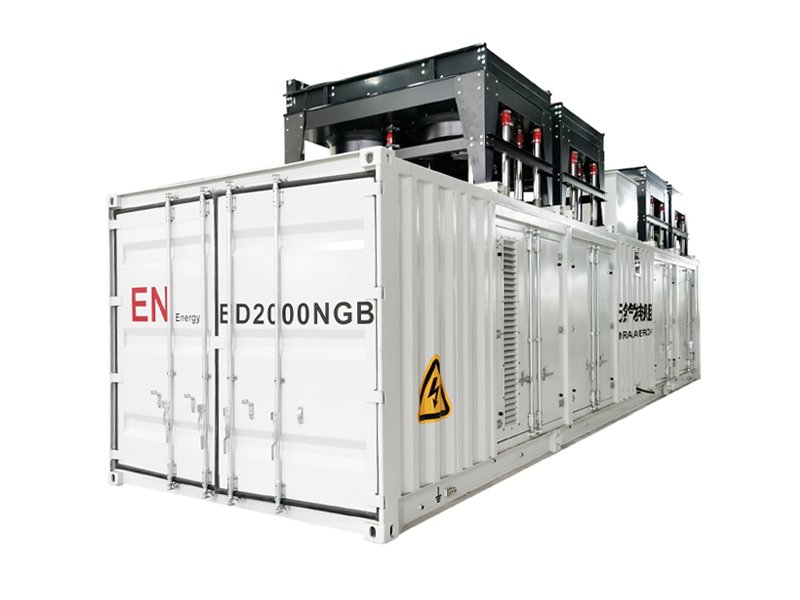
Product Parameters
AC Alternator data | Gas engine data |
Generator Brand | Mecca | Engine Brand | Huachai-Deutz |
Motor Model | ECO40 1.5L4B | Engine Model | HC12V132 |
Rated Voltage(V) | 400 | Engine type | V-bank-12 cylinders-turbocharged |
Rated Power(H class)kW | 500 | Cylinder Bore x Stroke(mm) | 132mm×145mm |
Rated Capacity(H class)kVA | 625 | Displacement (L) | 24 |
Motor efficiency (%)/(400V) | 94.8 | Compression ratio | 11.5 |
Power factor | 0.8 | Rated output power (single) | 535kW-1500rpm/1800rpm |
Connection Methods | D/Y | Maximum lubricant consumption (g/kW.h) | <0.3 |
Rotor insulation class | H class | Minimum air intake (kg/h) | 2200 |
Rated temperature rise | F class | Ignition method | Electronically controlled single-cylinder independent high-energyignition |
Excitation method | Brush-less | Fuel Control Method | Equivalent combustion, closed loop control |
Rotation speed (min- 1) | 1500/1800 | Debugging method | Electronic commissioning |
Shell protection grade | IP23 | Cooling method | Forced water cooling |
Applications of the 2.5 MW DEUTZ Biogas Generator Plant
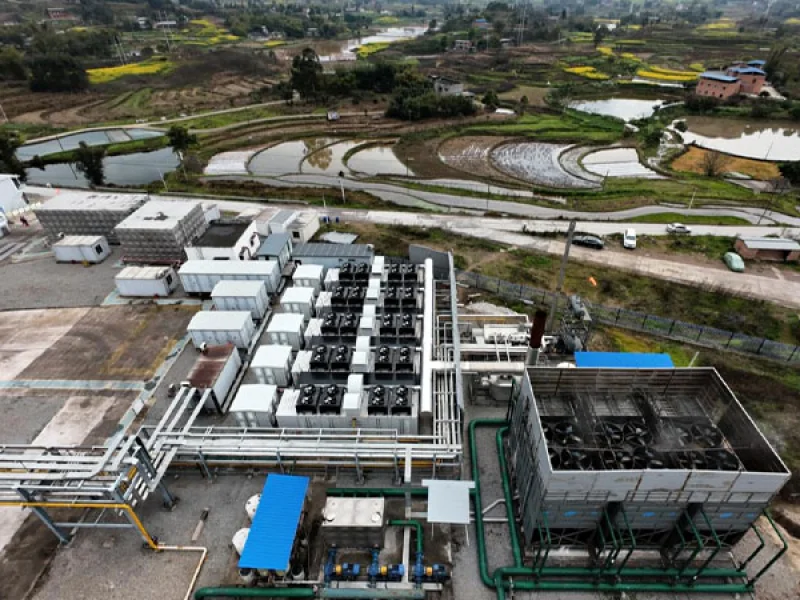
Agricultural Waste Power Plants / Biogas Plants: Generates electricity using biogas produced from sources such as pig manure, chicken manure, straw, and forestry residues.
Landfill Gas Utilization / Wastewater Treatment Plants:Converts landfill gas or associated biogas into electricity while reducing greenhouse gas emissions.
Backup / Primary Power for Industrial Parks or Factories:Suitable for applications requiring over 1 MW of power for industrial processes, compressors, and manufacturing equipment.
Microgrids or Self-Sufficient Power Systems:Provides a reliable electricity supply in remote areas or regions with unstable grid power through parallel operation of generator sets.
Green Energy Transition Projects: Enables businesses or industrial parks to replace traditional diesel/fuel-oil generators with renewable gas-powered generation, achieving low-carbon operations.
Remarks
1.Engine Control System: ECI (American brand);
2.Throttle: Bosch (German brand);
3.Spark plug: NGK(Japanese brand);
4.Generator master controller: Comap (Czech brand); DEIF(Danish brand); DSE(England brnad);
5.Altermator: Mecca (Italian brand); Stamford (American brand); Leroy Somer (French brand);
6.Starting mode: electric start;
7.Overhaul period: 36000h~60000h;
8.Generator type: pure copper brushless, automatic voltage regulation;
9.Operation mode: grid-connected/parallel/isolated/automatic control, etc;
Installation, Operation, and Maintenance Guidelines
Installation Preparation
Foundation & Environment: A stable foundation must be provided, ensuring adequate ventilation and exhaust conditions.
Gas Management: Mandatory preparation includes biogas purification and ensuring a stable, consistent gas supply system.
Controls: Pre-install and prepare the necessary parallel control system and synchronization equipment.
Parallel System Commissioning
Integrated Functionality: Verify that all four generator units can perform synchronized start-up and precise load sharing.
Protection Calibration: Adjust and confirm the effective tripping function of protective devices, such as those for overload, loss of synchronism (out-of-step), and low gas pressure.
Routine Maintenance
System Checks: Periodically inspect the gas delivery system, filters, ignition/combustion system, cooling circuit, and the gas-water separation unit.
Monitoring: Continuously monitor the generator set for unusual vibration or performance indicators.
Spare Parts and Service Assurance
Critical Spares: We recommend having a supply of critical spare parts on hand (e.g., gas valves, control modules, filters, igniters).
Maintenance Agreement: Establish a comprehensive service and maintenance contract to ensure long-term stability and sustained operation.
Safety and Environmental Compliance
Gas Quality Standards: Biogas utilization must comply with local gas quality standards, specifically regarding constituents like H2S content and moisture levels.
Parallel Operation Compliance: The multi-unit parallel system must adhere to technical standards for synchronous operation and protection systems.


