Key Features of the Yuchai 400kW Biogas Generator
Power Output: 400kW of continuous power, ideal for medium-scale operations, including agricultural facilities, industrial plants, and waste treatment plants.
Fuel Type: Runs on biogas – a renewable energy source produced from organic waste, such as animal manure, food waste, and landfill gas. The generator is also compatible with natural gas, giving you flexibility in fuel sourcing.
High Fuel Efficiency: Converts biogas into electricity with high efficiency, minimizing fuel consumption while maximizing energy output.
Low Emissions: Designed to meet international emissions standards, the Yuchai 400kW Biogas Generator reduces CO₂ and NOx emissions compared to traditional fossil fuel generators, making it an environmentally friendly power generation solution.
Durability & Reliability: Built with high-quality Yuchai engine technology, known for its durability, reliability, and low maintenance requirements. The generator is engineered to provide consistent performance over a long lifespan.
Maintenance Ease: Low maintenance requirements with easy-to-access components, reducing downtime and service costs.
Cost-Effective: Lower operational costs compared to conventional diesel or natural gas generators. With biogas being a locally sourced fuel, transportation costs are minimized, making it a more affordable energy option in the long run.
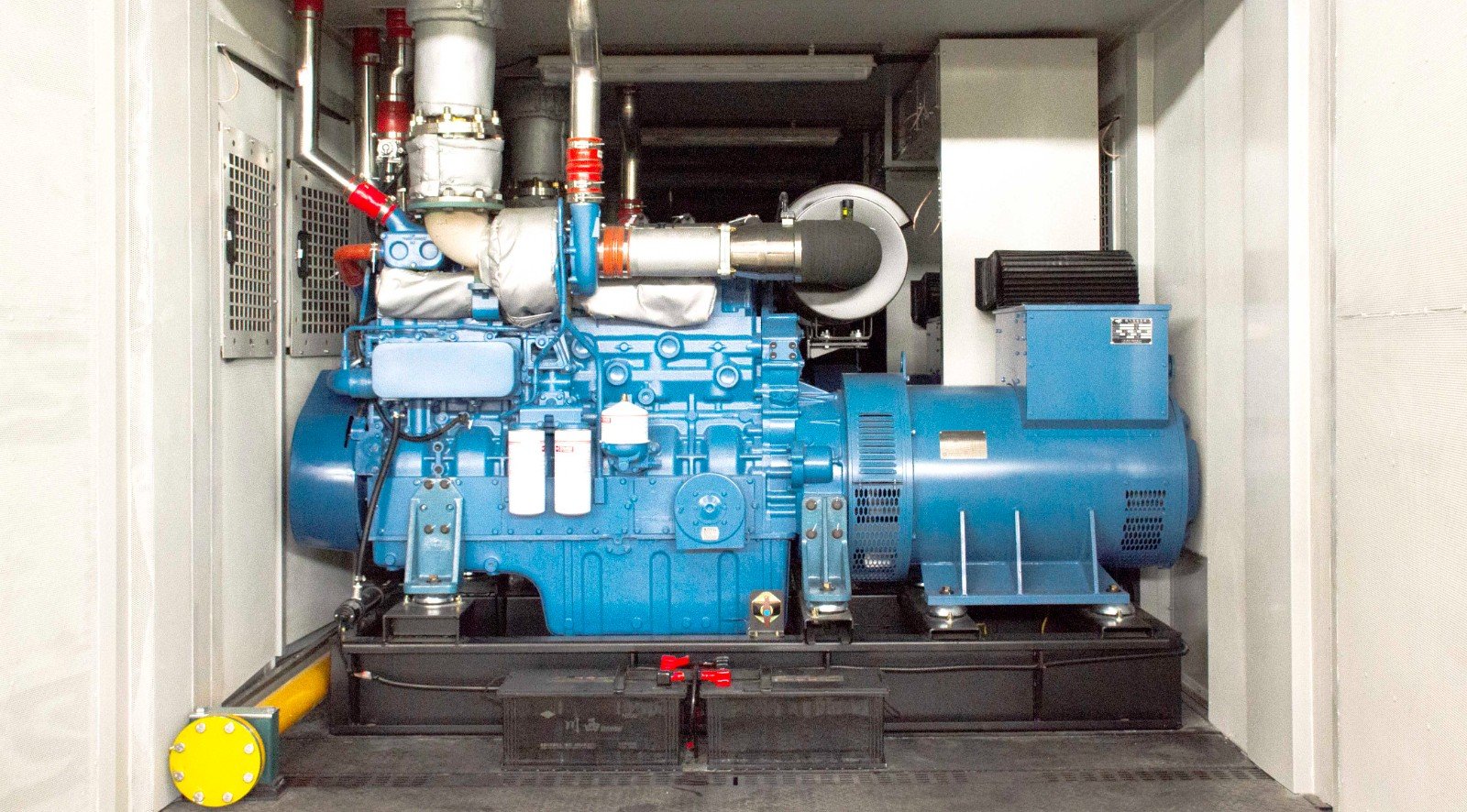
Product Parameters
AC Alternator data | Gas engine data |
Generator Brand | Mecca | Engine Brand | Yuchai |
Motor Model | ECO40-3S4C | Engine Model | YC6TD600N-30D |
Rated Voltage(V) | 400 | Engine type | Inline - 6 Cylinder -Turbocharged |
Rated Power(H class)kW | 400 | Cylinder Bore x Stroke(mm) | 152mm×180mm |
Rated Capacity(H class)kVA | 500 | Displacement (L) | 19.6 |
Motor efficiency (%)/(400V) | 94.2 | Compression ratio | 11.5 |
Power factor | 0.8 | Rated output power (single) | 440kW/1500rpm |
Connection Methods | D/Y | Maximum lubricant consumption (g/kW.h) | <0.3 |
Rotor insulation class | H class | Minimum air intake (kg/h) | 2290 |
Rated temperature rise | F class | Ignition method | Electronically controlled single- cylinder independent high-energy ignition |
Excitation method | Brush-less | Fuel Control Method | Equivalent combustion, closed loop control |
Rotation speed (min- 1) | 1500 | Debugging method | Electronic commissioning |
Shell protection grade | IP23 | Cooling method | Forced water cooling |
Applications of the Yuchai 400kW Biogas Generator
The Yuchai 400kW Biogas Generator is versatile and well-suited for various industries, including:
Agriculture: Ideal for farms looking to convert animal manure and crop residues into renewable energy, helping reduce waste and energy costs while supporting sustainable practices.
Municipal Waste Management: Perfect for waste-to-energy projects at landfills or wastewater treatment facilities. The generator converts landfill gas or organic waste into valuable electricity, reducing methane emissions and improving sustainability.
Food Processing Plants: Food waste can be converted into biogas, which powers food manufacturing operations, helping companies cut waste disposal costs while generating clean energy on-site.
Industrial Applications: Whether it's for manufacturing, chemical processing, or other industrial facilities, the Yuchai 400kW Biogas Generator can provide reliable power from renewable biogas.
How the Yuchai 400kW Biogas Generator Works
Biogas Production: Organic waste (such as animal manure, crop residues, or food waste) is processed through anaerobic digestion to produce biogas, primarily composed of methane.
Biogas Combustion: The biogas is fed into the generator’s engine, where it is combusted to produce mechanical energy.
Energy Generation: The mechanical energy generated is converted into electricity by the generator, providing power to meet the needs of industrial facilities, farms, or municipal operations.
Waste Heat Recovery (Optional): For enhanced efficiency, the Yuchai 400kW Biogas Generator can be equipped with a waste heat recovery system to capture and utilize excess heat for other purposes, such as heating water or generating steam.
Why Choose the Yuchai 400kW Biogas Generator?
High Efficiency: With excellent biogas-to-electricity conversion, this generator ensures minimal fuel consumption and maximum output, reducing your energy costs.
Low Environmental Impact: Biogas is a renewable fuel, and by using the Yuchai 400kW Biogas Generator, you contribute to a cleaner environment by reducing harmful emissions.
Flexible Fuel Options: The generator is designed to run on biogas, but it can also operate on natural gas, offering flexibility depending on fuel availability and cost.
Durability and Low Maintenance: Yuchai engines are renowned for their long-lasting performance, requiring minimal maintenance and reducing downtime.
Cost Savings: By utilizing locally sourced biogas, transportation and fuel costs are minimized, leading to a more cost-effective solution in the long run.
FAQ - Yuchai 400kW Biogas Generator
1. How does the Yuchai 400kW Biogas Generator work?
The generator converts biogas, produced from organic waste, into electricity by combusting the biogas in an engine. This energy is then converted into electrical power by the generator. It’s an eco-friendly solution that reduces reliance on fossil fuels.
2. What types of fuel can the Yuchai 400kW Biogas Generator run on?
The generator is designed to run on biogas, which is produced from organic waste such as agricultural residues or landfill gas. It can also operate on natural gas if biogas is not available.
3. What are the benefits of using biogas instead of diesel or natural gas?
Biogas is a renewable energy source, reducing carbon emissions and reliance on non-renewable fossil fuels. It also helps reduce methane emissions from waste and offers a more cost-effective energy solution over the long term.
4. Is the Yuchai 400kW Biogas Generator suitable for off-grid use?
Yes, it is ideal for off-grid locations where biogas is available, such as farms or rural areas. It provides a sustainable and reliable power supply without the need for connection to the electrical grid.


